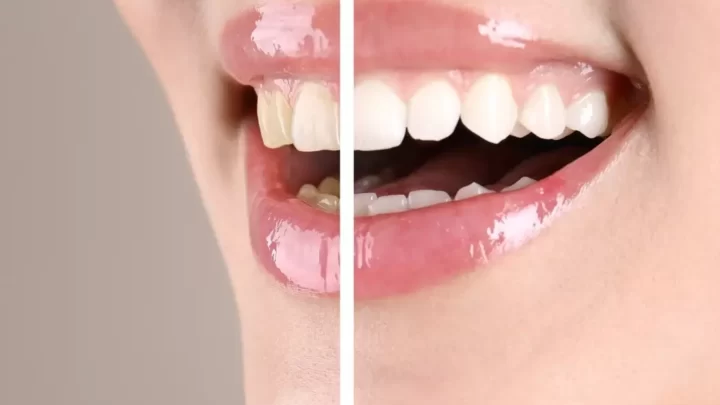

At Cosmetic Tattoo Brisbane Studio Face Figurati, we’ve seen firsthand how teeth whitening can completely elevate a beauty business. It’s not just about delivering whiter smiles — it’s about offering professional services that boost client satisfaction, build loyalty, and bring in real revenue.
You’ve probably seen it: a client walks into your salon with teeth like a Barista’s worst nightmare and walks out flashing a grin that could sell toothpaste. No wonder teeth whitening has become one of the fastest-growing add-on services in the beauty industry.
But here’s the question I get asked all the time — can I actually get trained in cosmetic teeth whitening? The short answer: yes. The smart answer? Only if you do it right.
Let’s unpack the process, the pitfalls, and what training actually means if you’re a beauty professional in Australia. Whether you’re a beauty salon owner, mobile service provider, or in Clinical practice — this is a career-changing opportunity.
Contents
What Does Teeth Whitening Involve
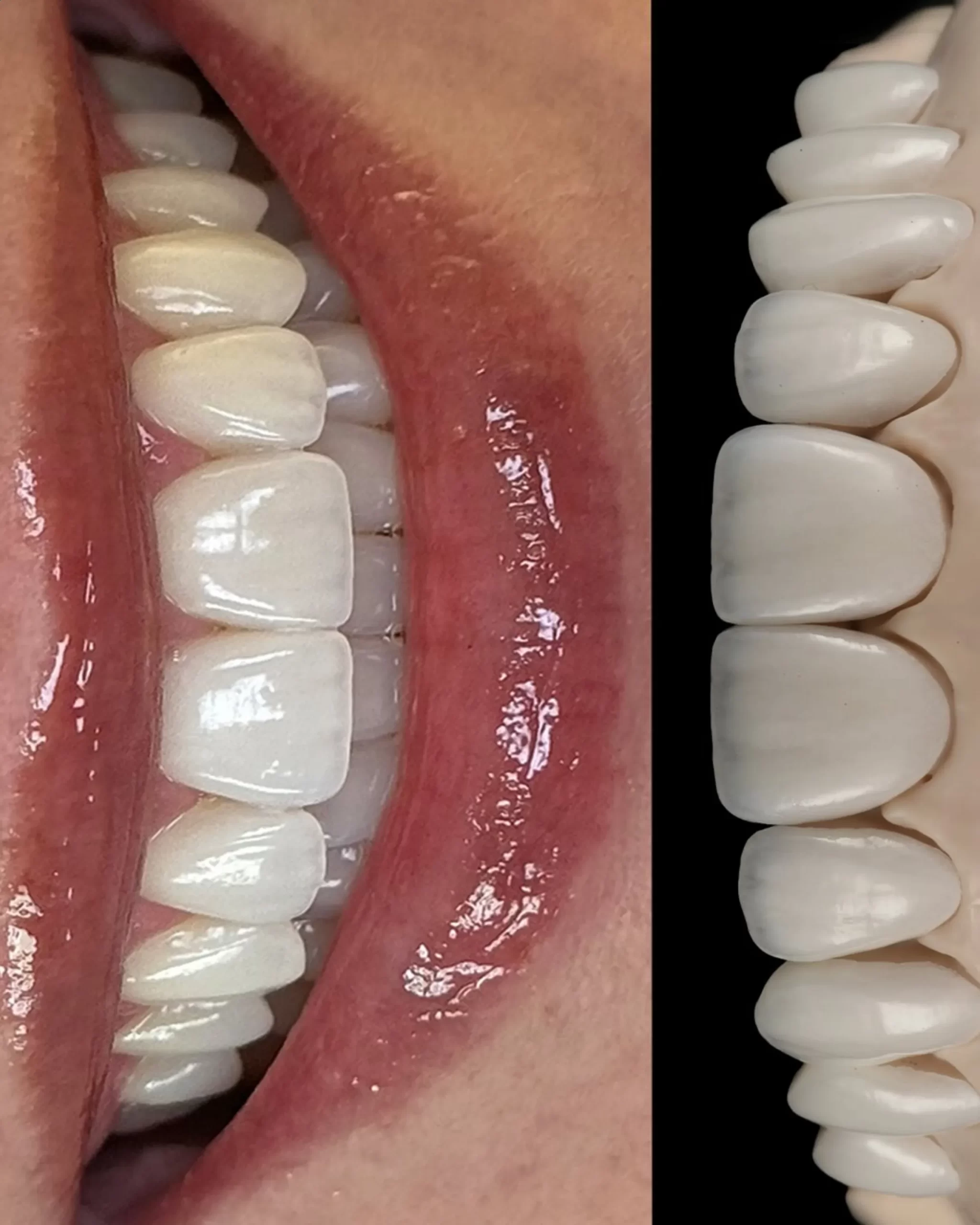
Teeth whitening isn’t dentistry — but it’s not just a quick rinse and LED light either.
It typically involves applying a peroxide-based gel to the enamel surface of the teeth and accelerating the effects with a blue LED light. Some treatments use carbamide peroxide, others hydrogen peroxide — both have their pros and cons, especially when it comes to tooth sensitivity. And while the process looks simple, there’s more going on beneath the surface (literally).
Here’s what you need to know:
- It’s cosmetic, not clinical — but regulated
- You’re working inside the mouth — that means hygiene for beauticians and safety protocols matter
- Overuse or incorrect application can cause enamel damage, gum irritation, or adverse effects
- Most of your clients will ask about teeth stains, sensitivity, and how long whiter smiles last — so you need solid answers backed by comprehensive knowledge
Is It Legal for Non-Dentists?
Yes — but there’s a catch.
In Australia, cosmetic teeth whitening is classed as a professional service when non-dental professionals use low concentrations of whitening agents (usually 6% hydrogen peroxide or 18% carbamide peroxide or less). Anything stronger must be applied by a registered dental professional.
This means:
- You can legally perform cosmetic whitening — if you’re trained in compliance guidelines
- You cannot diagnose dental conditions or use high-strength peroxide
- You must follow state-specific consumer protection laws and clinical practice protocols
Pro tip: Check with your state’s health department and consumer watchdog for up-to-date safety standards and advertising practices before you start offering online teeth whitening or in-salon services.
What to Look for in a Course
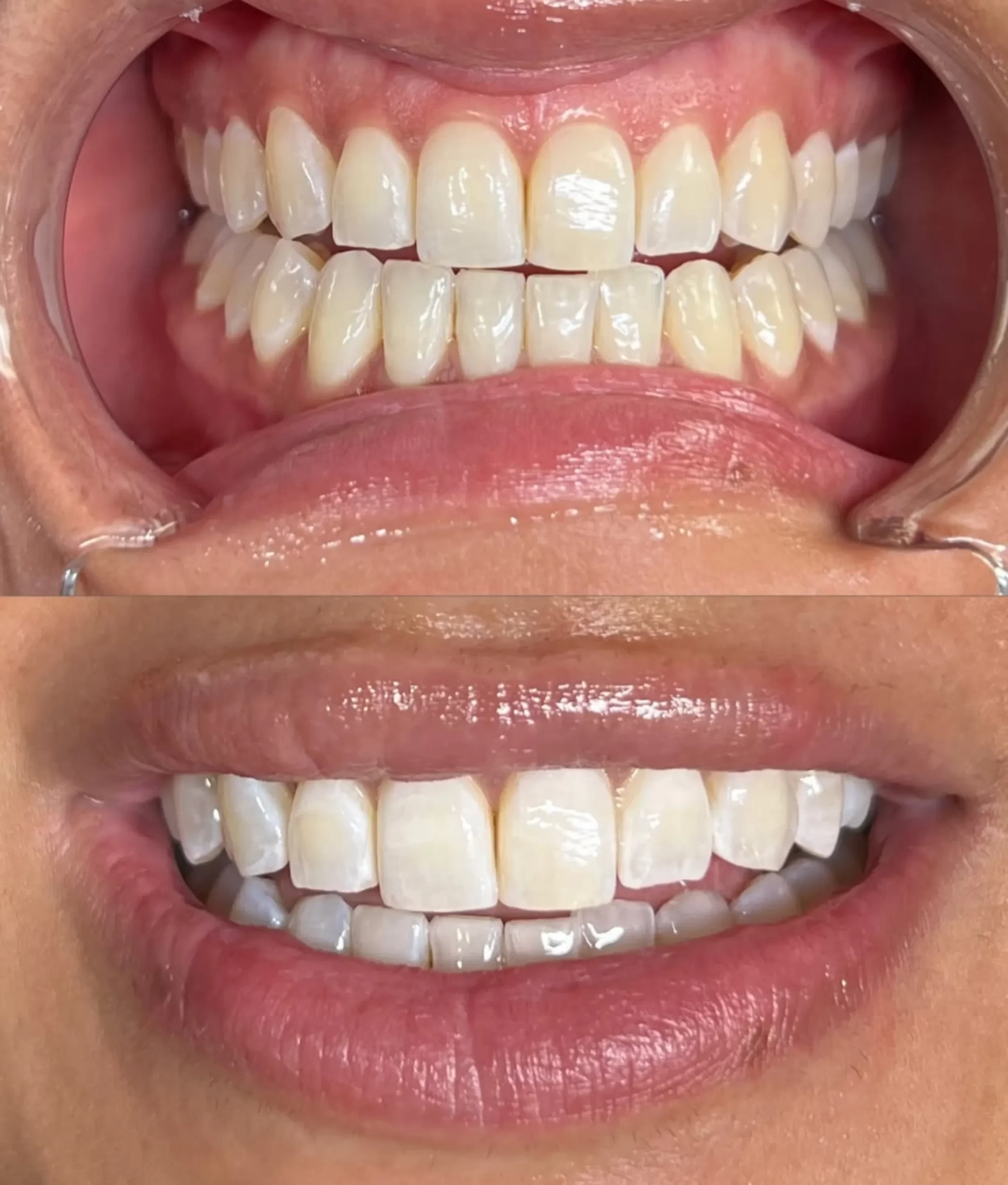
Not all courses are created equal. If you’re exploring a teeth whitening course, whether online or in person, make sure it ticks all the right boxes.
The best teeth whitening courses go beyond basics — they build confidence, cover compliance, and give you the tools to create a safe and comfortable client experience.
A quality course should include:
| Must-Have Module | Why It Matters |
|---|---|
| Cosmetic regulations | Understand the legal limits of what you can (and can’t) do |
| Product chemistry & quality gel | Know your peroxides and how to explain them to clients |
| Oral anatomy basics | For a comprehensive understanding of gum lines, enamel, and soft tissue |
| Hygiene & infection control | Absolutely essential for personal hygiene and client health |
| Client consultation & consent | For managing client expectations and client confidentiality |
| Treatment protocols | Step-by-Step confidence with every treatment procedure |
| Aftercare for teeth whitening | So your clients keep their confident smile, and you build a loyal client base |
If your course skips these? Move on — fast.
How Long Does Training Take
Most entry-level or person training courses run for 1–2 days and can be completed online or in person. Look for programs that offer practical knowledge using live models — because nothing beats seeing the actual teeth whitening process up close.
Expect to pay:
- $500–$1500 for comprehensive training with quality products
- Some courses include starter kits — others charge an additional cost
- Look for training with ongoing access, confirmation via email, and attractive certificate options
Don’t get lured in by $99 PDFs. These won’t prepare you for complexities of teeth whitening, nor will they cover safety of teeth whitening or offer support with compliance.
What About Insurance and Liability?
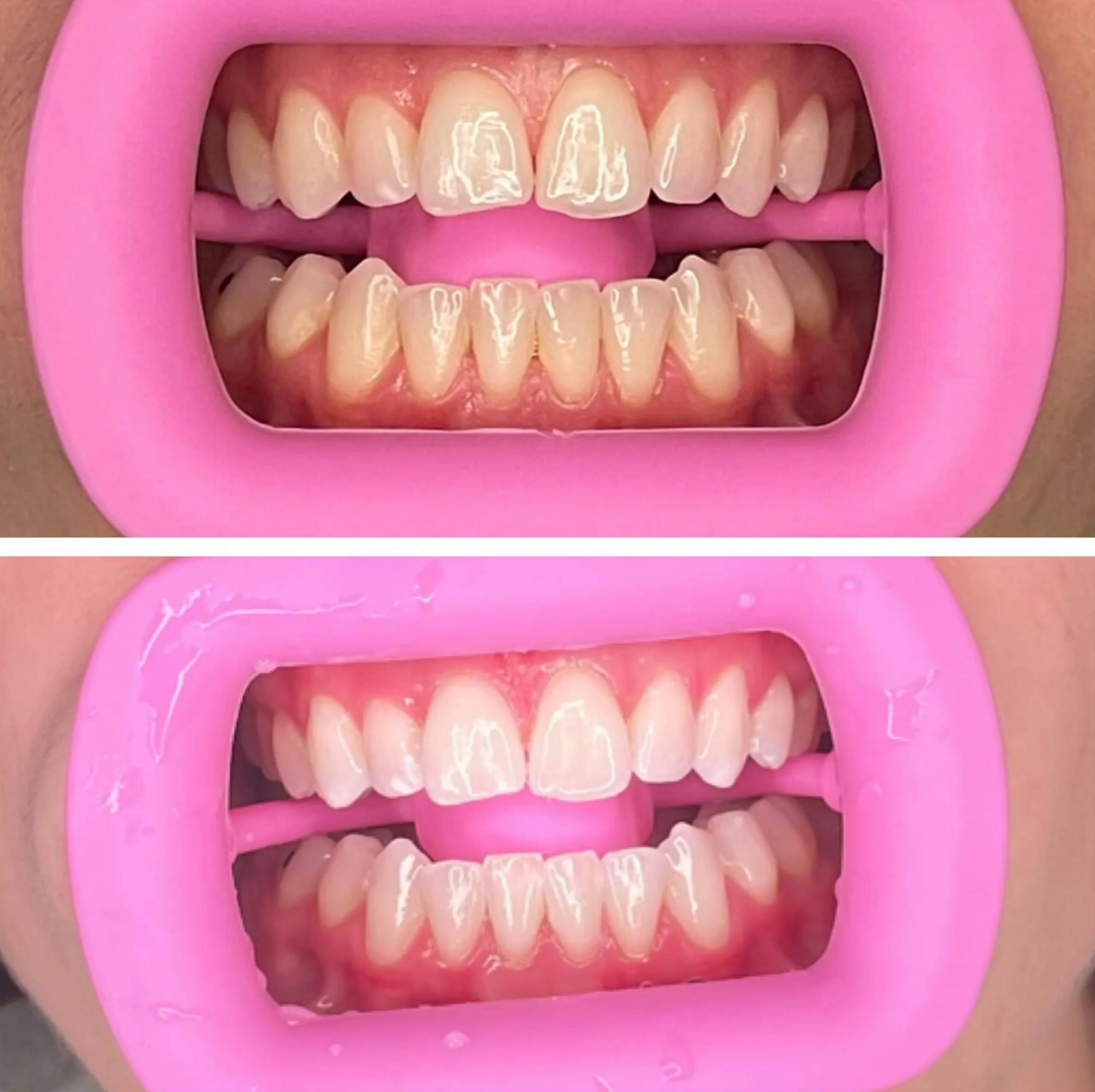
You’ll need insurance — full stop.
Find a provider who covers cosmetic services and intraoral procedures. Confirm they list teeth whitening and understand the potential risks and side effects of peroxide-based treatments.
Ask your trainer if they can recommend insurers aligned with industry standards. If they can’t, that’s a red flag.
Is There Demand for Whitening in 2025?
Absolutely. The beauty niche is booming. According to IBISWorld, the cosmetic whitening market in Australia grew 8.4% in 2024, with strong projections for 2025.
Why? Because:
- Office treatments are expensive — clients want cost-effective, safe options
- Everyone wants a beautiful smile for social media, special events, or just everyday confidence
- Men are jumping on board. So are brides, influencers, and mums on the go
Offering whitening as an additional service in beauty salons is not only smart — it’s profitable.
What Are the Risks?
Let’s be real. You’re applying hydrogen peroxide near someone’s gums. There are potential risks.
Most common issues include:
- Gum irritation
- Increased tooth sensitivity
- Allergic reactions or adverse effects from preservatives or flavourings
Minimise them with:
- Detailed client consultations, clear communication, and realistic expectations
- Proper PPE and use of cheek retractors or gum barriers
- Quality training and adherence to clinical practice protocols
Clients will remember two things: the results, and how safe and comfortable the experience felt. Your commitment to quality and commitment to hygiene speaks volumes.
Types of Whitening Treatments
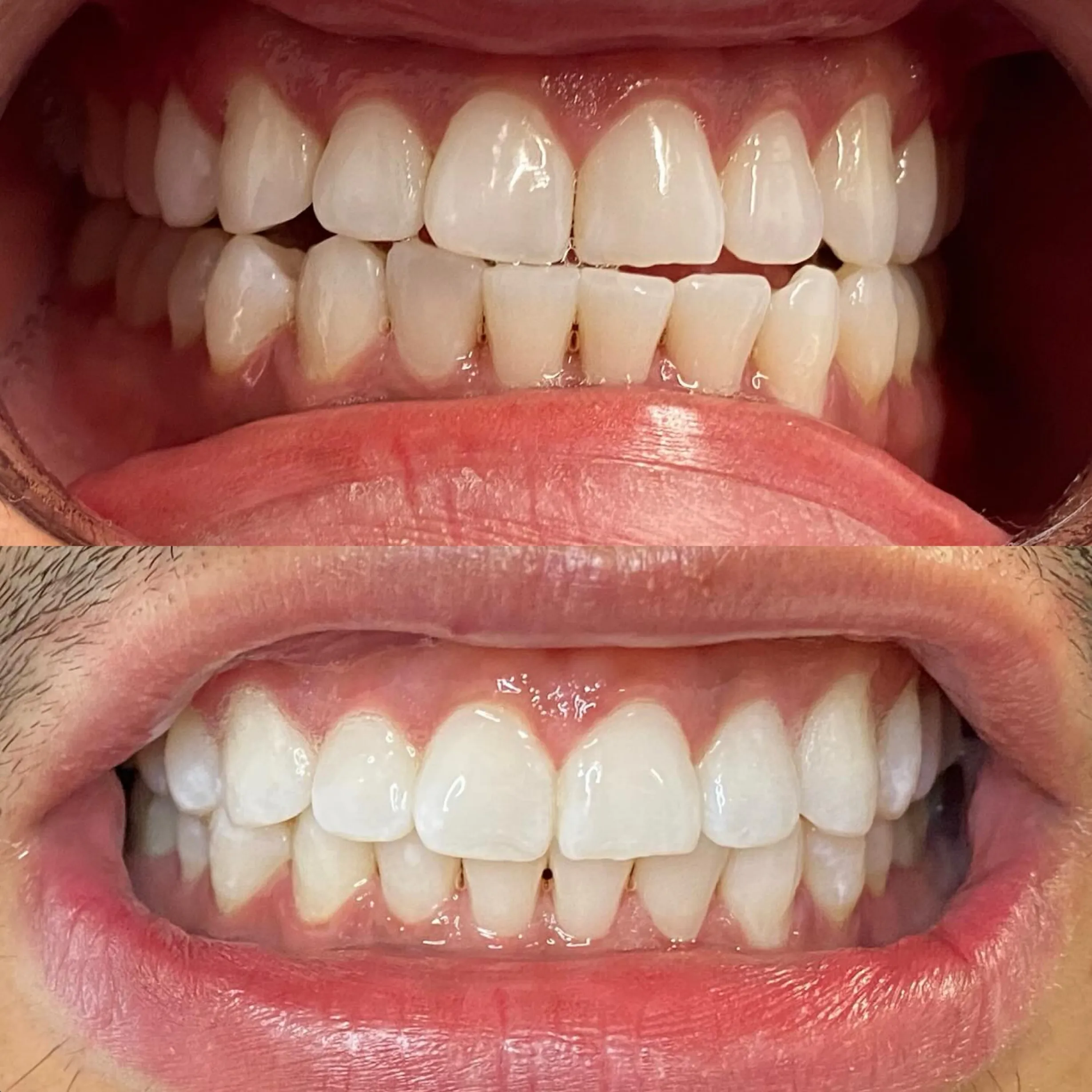
Here’s a quick overview of the wide range of options available in today’s beauty industry:
| Type | Peroxide Level | Treatment Time | Notes |
| In-office treatments | 25–40% | 45–60 mins | Dental professionals only |
| Cosmetic salon whitening | Up to 6% | 30–45 mins | For trained beauty professionals |
| At-home kits | 0.1–6% | Daily for 7–14 days | Varying results depending on use |
| Whitening pens & strips | Low | Ongoing touch-ups | Limited effectiveness |
Your training should give you a comprehensive understanding of these options, their depths of teeth whitening effects, and how to tailor them to your client’s needs.
Final Thoughts
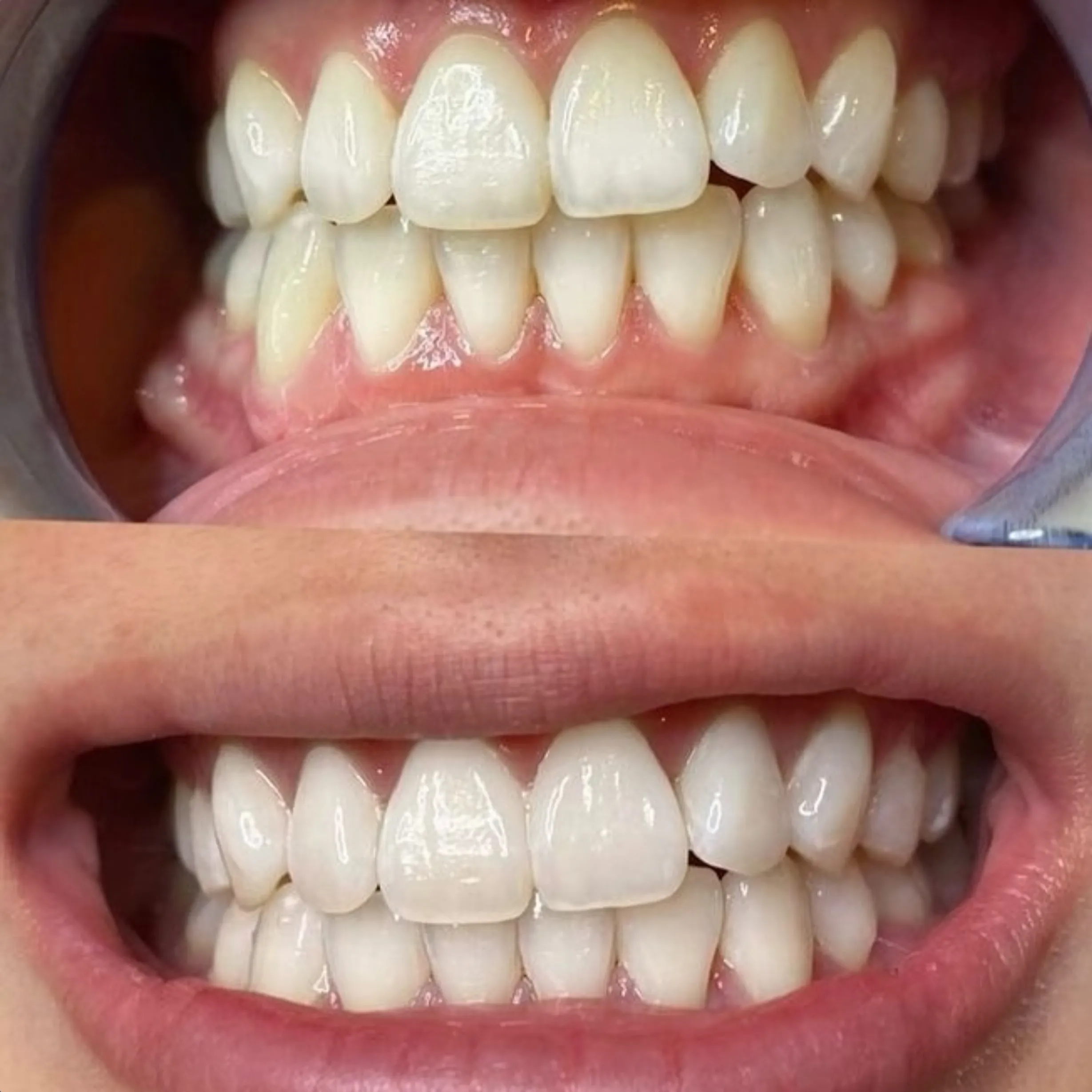
If you want to offer professional teeth whitening that’s safe, compliant, and in-demand — yes. With effective prices, excellent opportunity for income growth, and a confident smile on every client, it’s a beauty industry time favourite for good reason.
Just make sure:
- Your training meets clinical and hygiene standards
- You understand treatment options and the cons of teeth whitening
- You value client satisfaction and safety above all
Got questions? Shoot me a message — I’ve seen the good, bad, and peroxide burns. Let’s get you trained right.
Need a checklist before enrolling? Or want help choosing the best course based on time limits, additional treatments, or your career goals? I’ve got one — just ask.
FAQ
Do I need to be a dental hygienist or dentist?
Nope. Cosmetic whitening is open to beauty professionals with proper training. Dental professionals handle the stronger stuff.
Can I train online and still be covered?
Yes — if the course includes person courses, live demo, safety standards, and actual support.
What if I want to offer mobile services?
You’ll need portable beauty instruments, safe transport of gels, and even tighter hygiene protocols. But yes — many do it.
Will I need to update my training over time?
Ideally, yes. Technologies in teeth whitening and safety guidelines evolve. Stay current with industry professional updates.
What if a client experiences sensitivity or pain?
First: check your consultation form. Then follow aftercare and offer effective whitening alternatives or refer to a dentist if needed. Prioritise client safety over everything.