
Kakadu National Park is not just a treasure trove of bird species, mammals and Aboriginal rock art – it’s also a reptile paradise. In the heart of Australia, this World Heritage-listed site covers nearly 20,000 square kilometres and is one of the most biologically diverse places on earth. For wildlife lovers, Kakadu is home to an amazing array of reptiles, from the biggest predators like saltwater crocodiles, to tiny tree frogs perched on lily pads during the wet season rains.
When you’re on Kakadu National Park tours you’ll find reptiles as part of the landscape, culture and ecological balance of this incredible region.
Kakadu’s Cold-Blooded Biodiversity
With different habitats including tidal flats, monsoon forests, rugged terrain, and aquatic habitats, Kakadu supports a wide range of native wildlife. Reptiles are well suited to the park’s tropical climate where body temperature is regulated externally. Here the difference between dry season and wet season plays a big role in the activity and life cycle of these animals.
From file snakes slithering through Magela Creek to Frill-necked lizards basking near Jim Jim Falls, reptiles in Kakadu are amazing adaptations to their natural environment. For the wildlife enthusiast, the park offers endless opportunities to see native species, endemic species and iconic species in the wild.
How Many Reptile Species Are Found in Kakadu?
There are over 120 reptile species in Kakadu, making it one of the richest reptilian ecosystems in the Australian bush. This includes saltwater crocodiles, freshwater crocodiles, venomous snakes, monitor lizards, skinks, geckos, and even sea snakes in the park’s coastal waters. Add to that 60+ species of frogs, 280 bird species, and 77 mammal species and Kakadu’s biodiversity is unbeatable.
Many visitors who join Kakadu Tours from Darwin are amazed by the park’s diversity when reptiles pop up on walking tracks or near shaded billabongs.
Notable Reptiles
1. Estuarine Crocodile (Saltwater Crocodile)

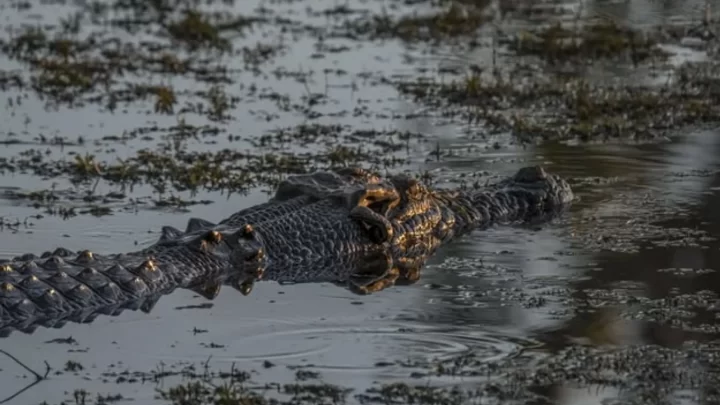
One of the biggest reptiles on Earth, the salties (Crocodylus porosus) can grow over 6m. These native predators rule Yellow Water Billabong, Alligator Rivers, and Mary River during the wet season when waterways are full. Recognise them by their narrow snouts and massive size, salies are the symbol of the Top End’s wild power.
Be aware of warning signs near water and follow your guide’s advice on 4 day Kakadu tours to stay safe.
2. Freshwater Crocodile (Johnston’s Crocodile)
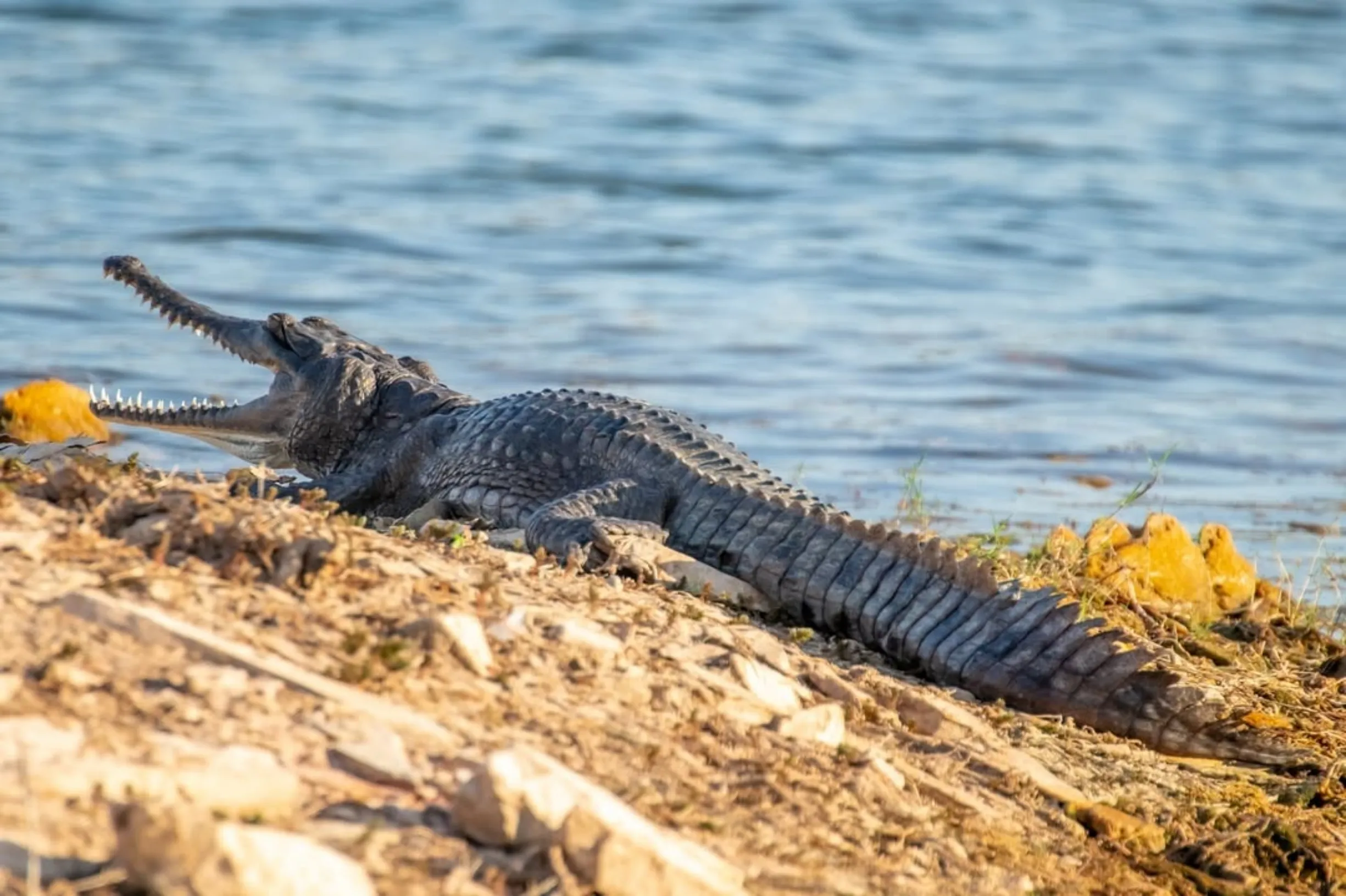
The smaller and less aggressive freshwater crocodiles are in rocky pools and rivers like Twin Falls and Magela Creek. Unlike their saltwater cousins, they don’t pose a threat to humans but are vital to the ecosystem.
3. Frill-necked Lizard
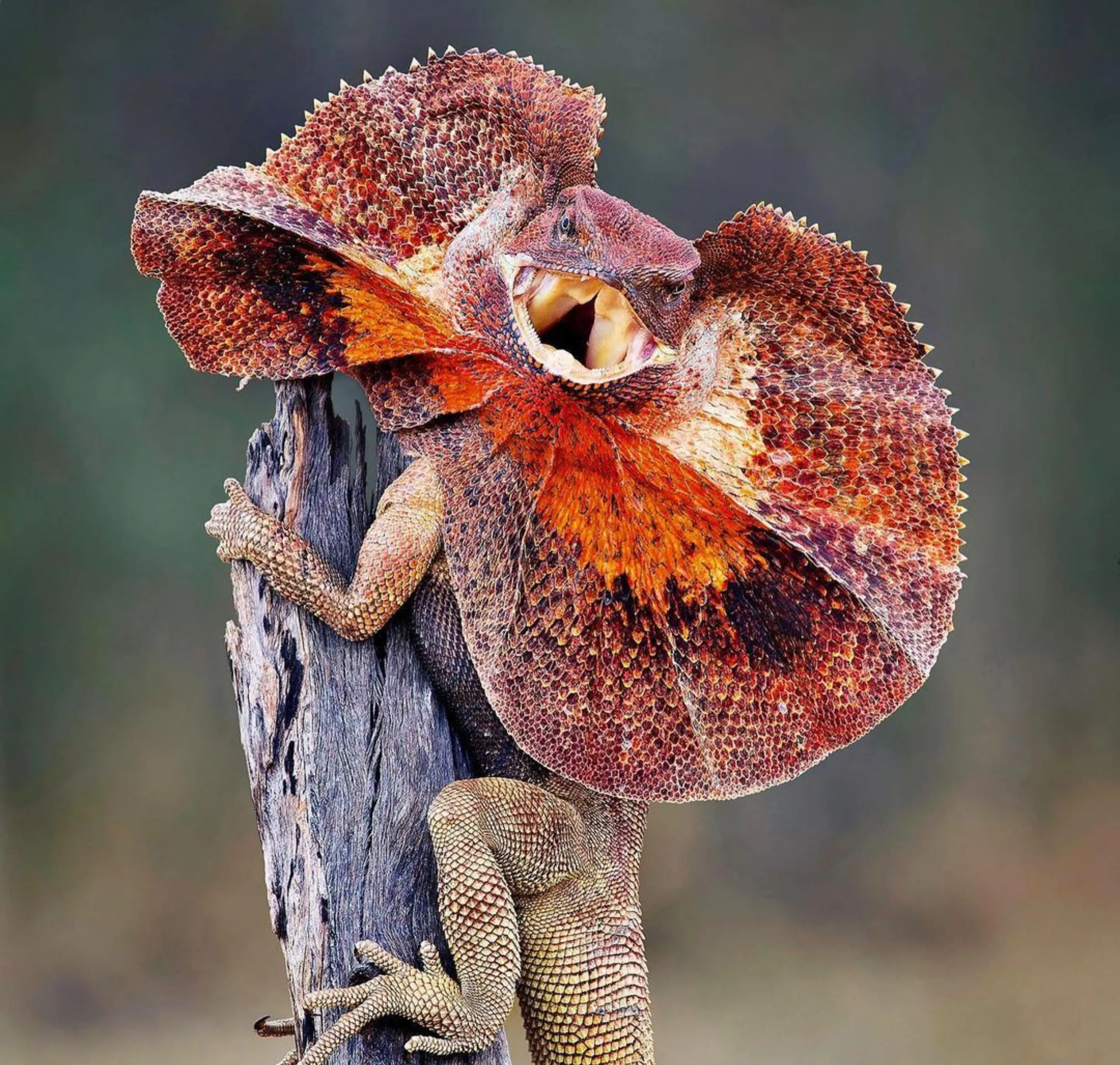
The Frilled-neck lizard, a true Aussie reptile icon, has a striking neck frill and can sprint upright. These dragon lizards are found in open woodlands and savannas during day time in the dry season.
4. Monitor Lizards (Goannas)
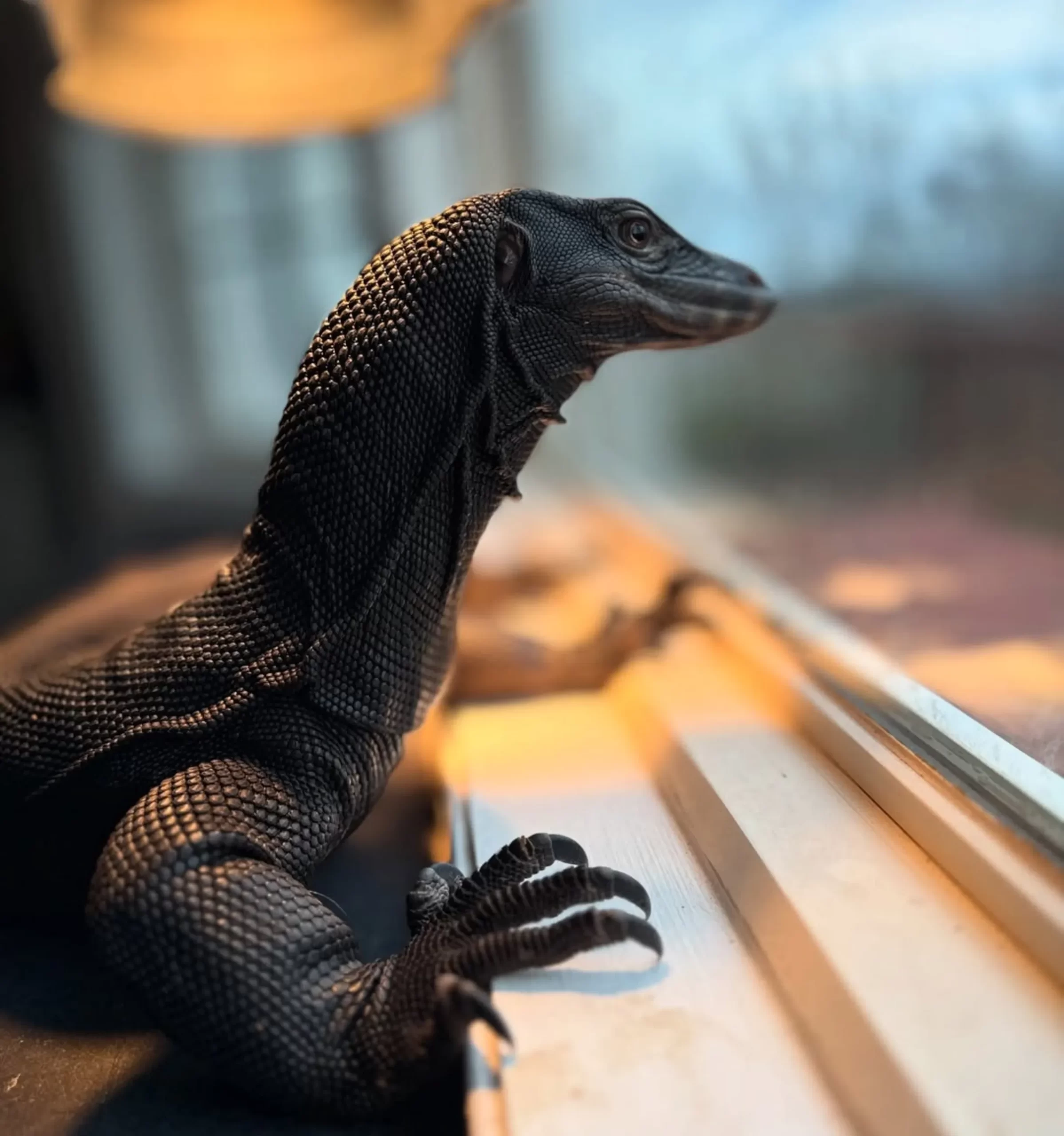
Kakadu has several goanna species, the biggest lizard, the yellow-spotted monitor and the ridge-tailed monitor. These reptiles are hunters and scavengers and help control invasive species like the Asian water buffalo.
5. Snakes of the Top End
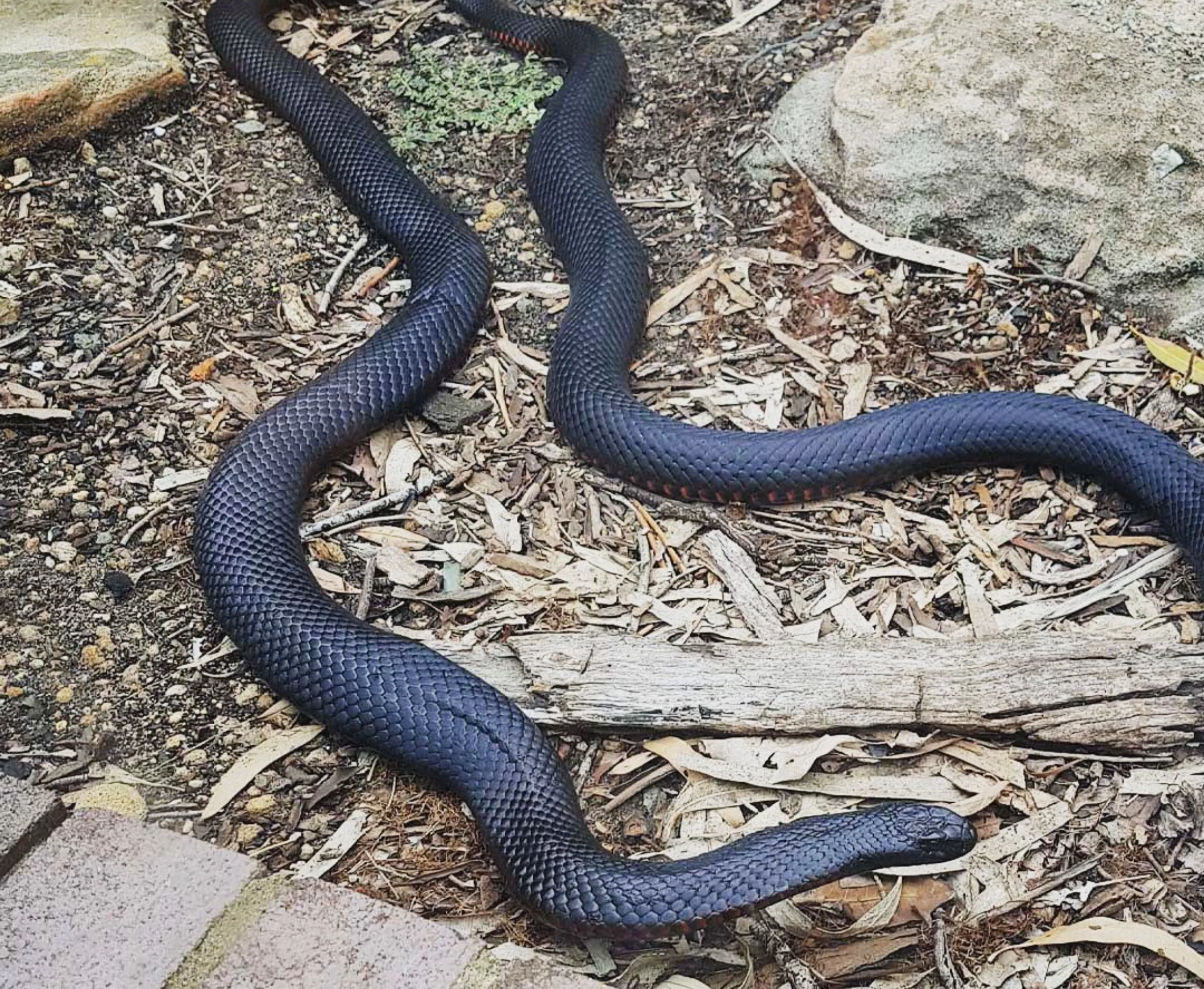
Snakes are common but rare in Kakadu. The park has Black-headed pythons, Red-bellied black snakes, tiger snakes, Mulga snakes and elapids like the Slaty-Grey Snake. Waterways have file snakes and several sea snake species including the Spectacled Sea Snake, Mosaic Sea Snake and the Small-headed Sea Snake.
If you’re joining 5 day Kakadu tours from Darwin during the wet season you may hear the sounds of frogs and see tree snakes slithering through monsoon forests looking for amphibians.
Why Is Kakadu a Reptile Paradise?
Kakadu is a reptile hotspot for several reasons:
- Different environments: From beaches to monsoons, the landscape supports land and water species.
- Warm weather: Reptiles are active all year round.
- Cultural significance: Many species are featured in rock art and Dreamtime stories, highlighting their cultural importance.
- No development: The park is protected from urbanisation so natural habitat and native wildlife are preserved.
Many people on Kakadu National Park tours find reptiles are the highlight of their trip.
When and Where to See
Reptile activity is at its peak during the dry season when they are more active in the sun. Here are the top spots and times:
- Yellow Water: Saltwater crocodiles, frogs and water birds.
- Magela Creek: File snakes, frogs and marbled geckos.
- Twin Falls & Jim Jim Falls: Monitor lizards, Frilled-neck lizards and tree frogs.
- After rain: You may hear frogs and see Northern dwarf tree frogs, Green Tree Frogs or Marsh Frogs in the forest.
Book a 2 day Kakadu tour with a reputable operator like Autopia Tours to see the most wildlife in a safe and fun way.
Conclusion
With over 120 reptile species, Kakadu is a haven for Australia’s native predators, amphibians, and cold-blooded wonders. From the giant cave gecko to the Common Blue-tongued Skink, the park’s reptiles are vital to its ecological balance and cultural identity.
Whether you’re exploring Aboriginal culture, snapping photos of migratory birds, or listening to the sounds of frogs at night, the reptiles of Kakadu will leave a lasting impression on your trip to the Northern Territory.
FAQs
How many reptile species are in Kakadu?
Kakadu has over 120 reptile species, plus over 60 frogs, making it one of the most diverse places in Australia.
Are there venomous snakes in Kakadu National Park?
Yes. Venomous snakes like the Red-Bellied Black Snake, tiger snake and Mulga Snake live in Kakadu. Be cautious and go with an expert.
Can I see reptiles in the wet season?
Yes. The wet season brings out frogs, file snakes and sea snakes, especially in water habitats like Yellow Water Billabong and Magela Creek.
Are reptiles important to Traditional Owners?
Yes. Reptiles feature in Aboriginal Dreamtime stories and rock art, so are culturally significant.
Which tours are best for seeing reptiles in Kakadu?
Choose guided options like 4 day Kakadu tours or 5 day Kakadu tours from Darwin for safe and educational encounters.