
You finally booked in for lip blush. You sat through the numbing cream, the outlining, the shading, the healing… and now? You’re staring in the mirror wondering why your lip tattoo has vanished. Deep breath: you’re not alone.
“Why has my lip tattoo disappeared?” is one of the most common questions I hear in my Melbourne studio. The good news? Most of the time, it’s not gone — it’s just doing what healed lip tattoos always do.
Below, I’ll walk you through what’s normal, what’s not, and what to expect if your pigment seems to have gone AWOL.
Contents
- 1 The Healing Rollercoaster (Yes, It’s a Thing)
- 2 Ghosting Is Real: Why Colour Disappears Before It Comes Back
- 3 When You Should Be Concerned
- 4 Melbourne-Specific Factors That Affect Healing
- 5 Top Tips to Boost Pigment Retention
- 6 Healing Outcomes by Skin Type: What to Expect
- 7 How We Fix Vanishing Colour in the Studio
- 8 2025 Trend: Softer, More Natural Lip Blush Results
- 9 Final Thoughts: Don’t Panic, Just Heal
- 10 FAQ
The Healing Rollercoaster (Yes, It’s a Thing)
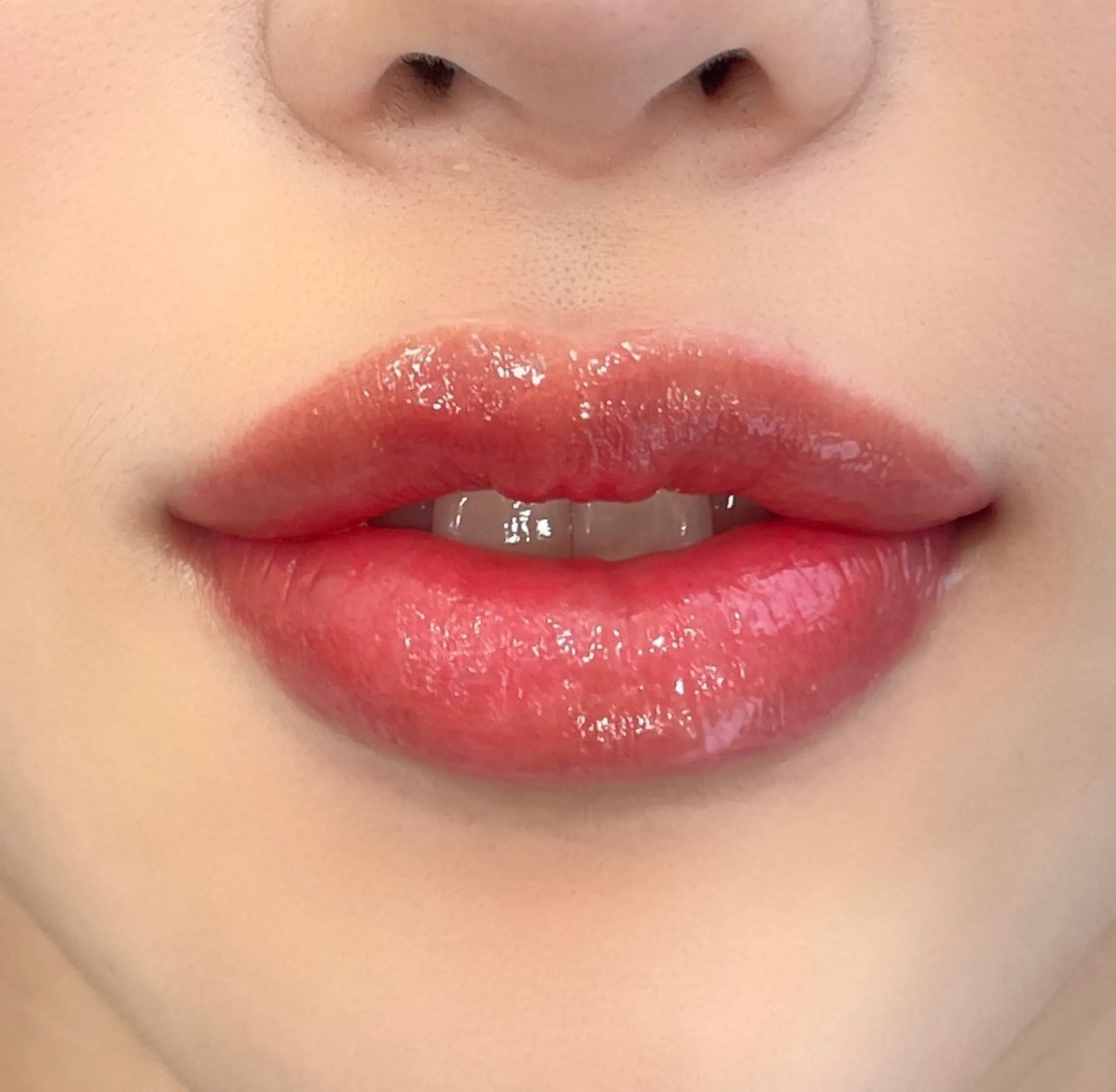
Lip tattoos go through a healing process that includes fading, flaking and what I lovingly call “the ghosting stage”.
Here’s what happens post-treatment:
- Day 1-3: Lips look bold and fresh — maybe even too bold. This is when the tattoo ink is still sitting on the surface of the healing skin.
- Day 3-6: Flaking begins. Don’t pick. Just balm and chill. The lip area is forming micro wounds that trigger cell turnover.
- Day 5-10: The pigment fades dramatically, sometimes completely. This is the ghosting stage — and yes, colour ghosting is totally real.
- Week 2-4: The lip colour starts to come back subtly as deeper layers of pigment settle.
- Week 4-8: Touch-up sessions allow for shape adjustment, colour boost and refining the lip outline or lip edges.
This healing timeline is totally normal. Your body art is settling in, your immune system is doing its job, and lymphatic fluid is clearing out residual pigment. The wound healing phase can feel like a rollercoaster, especially if you have dehydrated skin or are prone to cold sores.
For anyone new to lip tattooing, this whole process can feel weird, but understanding the stages helps ease the stress.
Ghosting Is Real: Why Colour Disappears Before It Comes Back
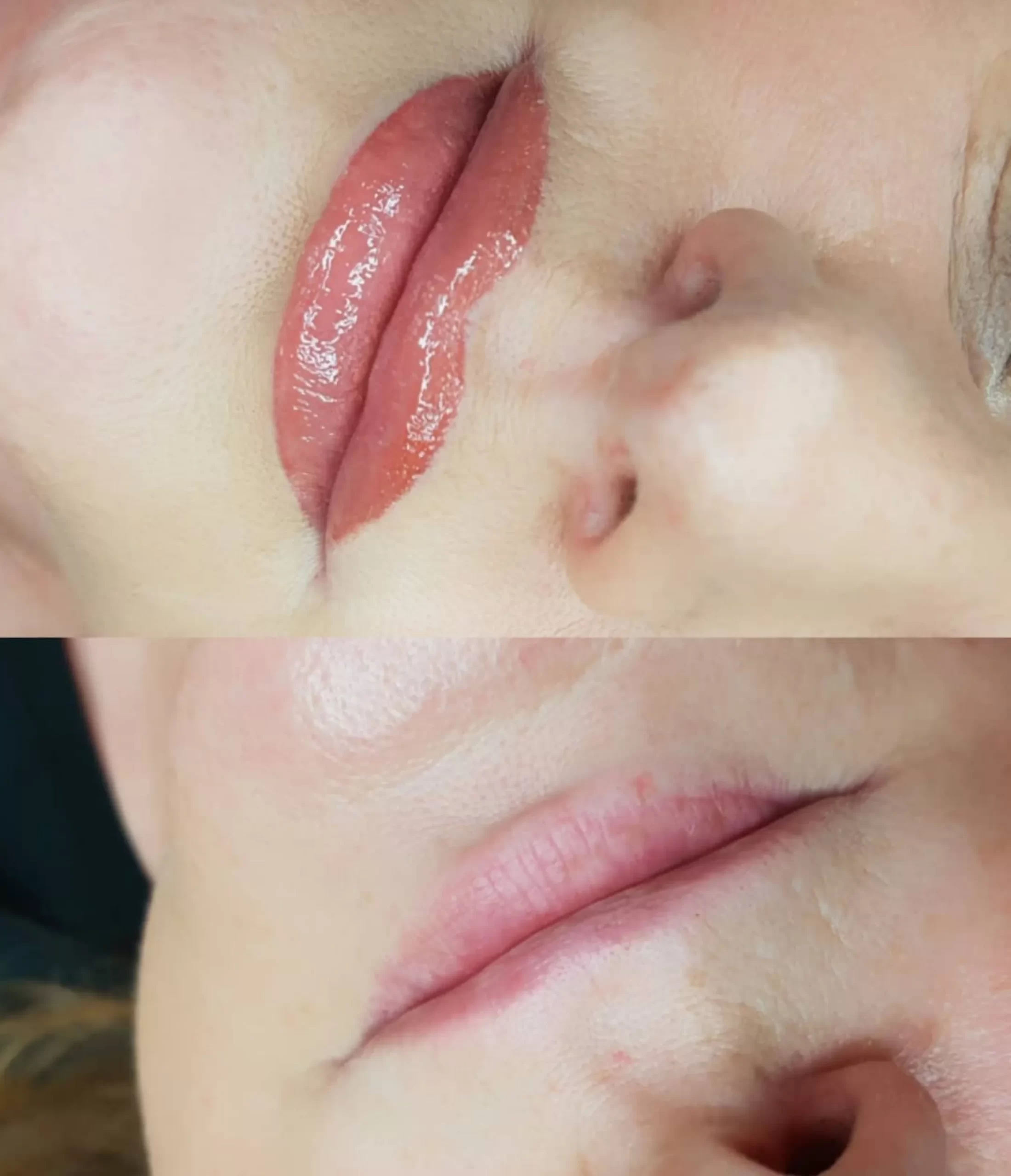
Ghosting is like a soft reset. The skin forms a new layer over the tattooed pigment, which temporarily mutes the colour.
Here’s why it happens:
- Skin regeneration: Your lips shed the outer layer as part of the natural cell turnover process.
- Inflammation: Swelling post-procedure can distort lip colour perception.
- Pigment oxidation: Tones change as pigments settle into the dermis.
During this stage, it’s crucial to support the healing process with a moisturising balm and alcohol-free mouthwash to maintain good mouth hygiene.
This temporary vanishing act is very common with lip tattoo cosmetic treatments, especially on first passes with neutral tones.
When You Should Be Concerned
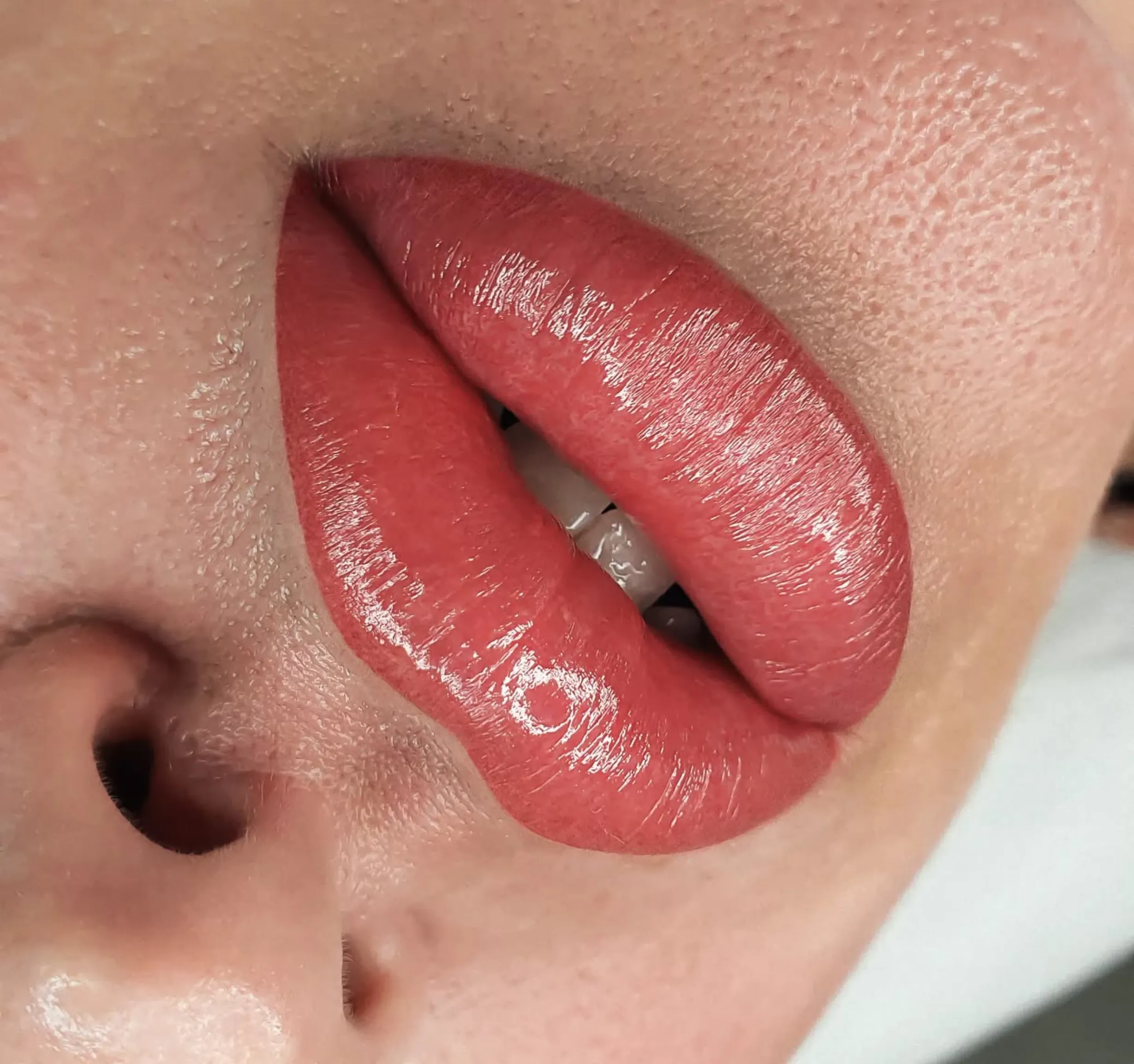
Fading is part of the semi-permanent makeup experience, but full pigment loss that doesn’t return may be a sign of a deeper issue. Here’s what to watch for:
- Bad aftercare: Exfoliants, oils or picking at the lip area can remove pigment.
- Allergic reaction or infection: Redness, swelling or cold sore outbreaks around the sides of your cheek may indicate trouble.
- Overworked skin: Too many passes with the tattooing needle can damage the healing skin.
- Low-quality pigments or tools: Inferior cosmetic pigment may fade fast.
- Inexperienced tattoo artist: Poor depth control can lead to patchy pigment.
For any signs of prolonged fading or suspected allergic reaction, check in with your cosmetic tattoo clinic or lip tattoo correction specialist.
Melbourne-Specific Factors That Affect Healing
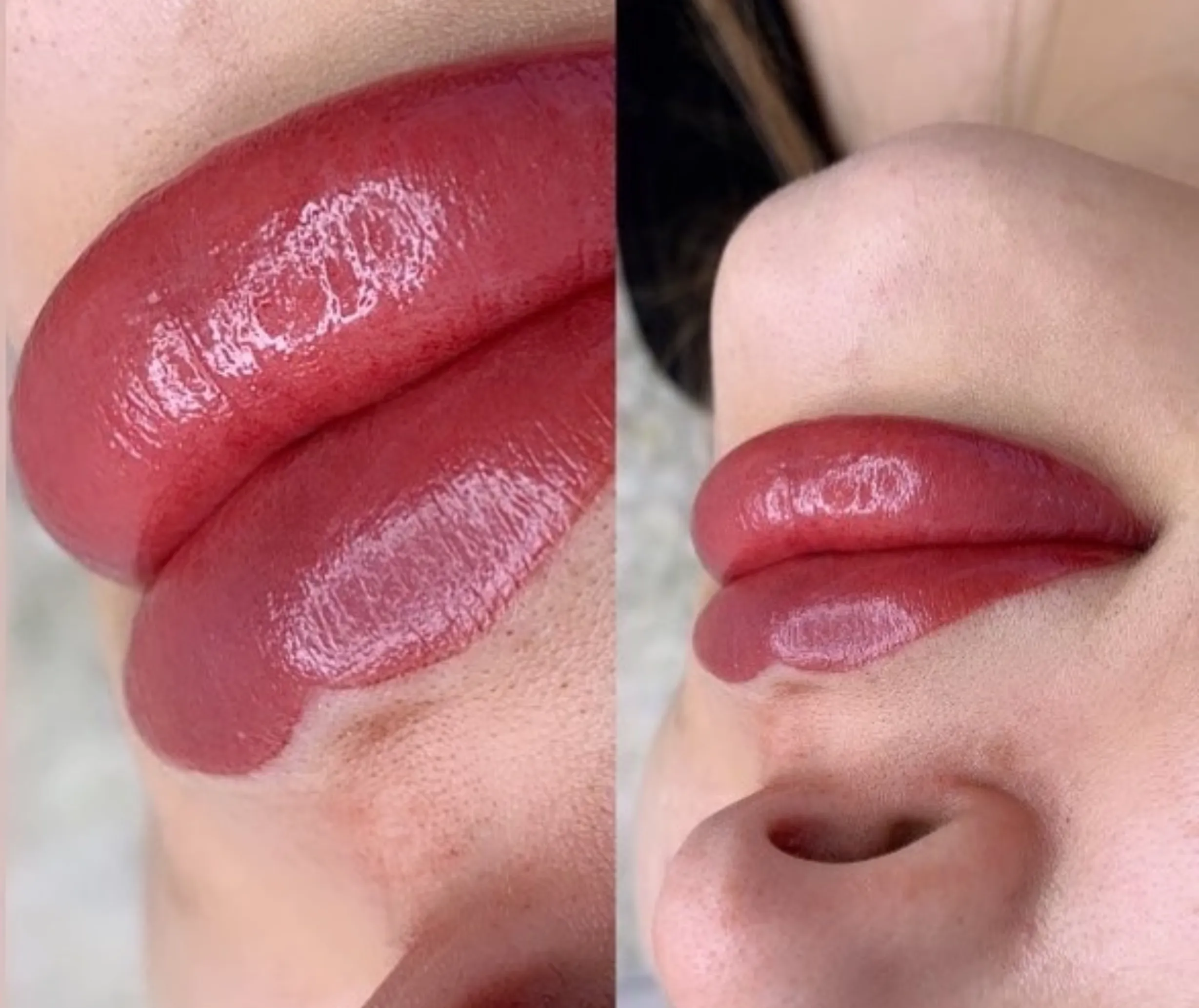
Our local climate and beauty habits definitely impact your lip blush healing process.
Melbourne’s weather goes from dry winds to summer scorchers. This affects:
- Chapped lips: Common in cold seasons, delays wound healing.
- Sun exposure: Even incidental UV can fade semi-permanent lined lips.
- Lifestyle: Sipping hot coffee all day can irritate the lip area and introduce bacteria.
Add in our love for retinol serums and brightening skincare — and it’s no wonder healing gets tricky. Let your tattooist know if you’re using anything with vitamin C, acids or liquid silicone.
We also assess your suitability for lip neutralization in cases where natural tones need balancing before colour enhancement.
Top Tips to Boost Pigment Retention
Want your lipstick tattoo to last? These tips will help keep your cosmetic tattooing crisp and defined:
- Follow your aftercare routine strictly. No shortcuts.
- Avoid spicy or hot foods early on. Especially with lower lip tattoos.
- Use moisturising balm with vitamin E. Hydration helps healing.
- Don’t pick at flakes. Let healing skin fall naturally.
- Apply SPF lip balm. Sun exposure is the fastest way to tattoo fading.
- Use alcohol-free mouthwash. Great for keeping the inner lip tattoos bacteria-free.
Good lip tattoo aftercare is what keeps pigment locked in and your results looking fresh.
Healing Outcomes by Skin Type: What to Expect
| Skin Type / Concern | Healing Outcome | Notes |
|---|---|---|
| Fair skin | Often retains pink/peach tones well | It can fade faster in dry, thin lips |
| Olive or darker tones | May neutralise or shift pigment tone slightly | Often need lip tinting correction |
| Mature skin | Slower healing, more fragile | Prone to unevenness and slower colour return |
| Cold sore-prone lips | Risk of outbreak, pigment loss in flare-ups | Take antiviral meds pre-treatment |
How We Fix Vanishing Colour in the Studio
At Cosmetic Tattoo Studio Face Figurati in Melbourne, we approach each case with care, precision and a plan tailored to your skin and pigment history.
In our Melbourne studio, we specialise in semi-permanent makeup salons focused on natural results. Disappearing pigment? We check:
- Healing timeline photos to track colour shifts.
- Pigment vs. skin tone. Cosmetic tattoo technique may need adjusting.
- Tattooing needle depth. Too shallow or too aggressive?
- PMU machine settings. Speed, pressure and pigment flow all matter.
- Client’s skincare or health. Healing is slower with dehydrated skin or recent lip augmentation.
Some clients come in after previous lip tattooing that didn’t take properly. In these cases, we reassess everything and start again if needed.
Sometimes it’s a colour ghosting issue. Other times, it’s the lip exfoliator used a bit too soon. We always ask about your aftercare and check if a touch-up or colour boost is needed.
2025 Trend: Softer, More Natural Lip Blush Results
If you’ve had Lip Blush Tattoo recently and you feel the result is too light, know this: subtlety is the vibe for 2025.
Clients are asking for:
- Lip tinting instead of full saturation
- Semi-permanent lined lips for soft definition
- Natural lip colour enhancement that fades naturally
Most artists now approach the first session conservatively. Full lips with bold tones come after touch ups. It’s not a mistake — it’s modern technique.
Final Thoughts: Don’t Panic, Just Heal
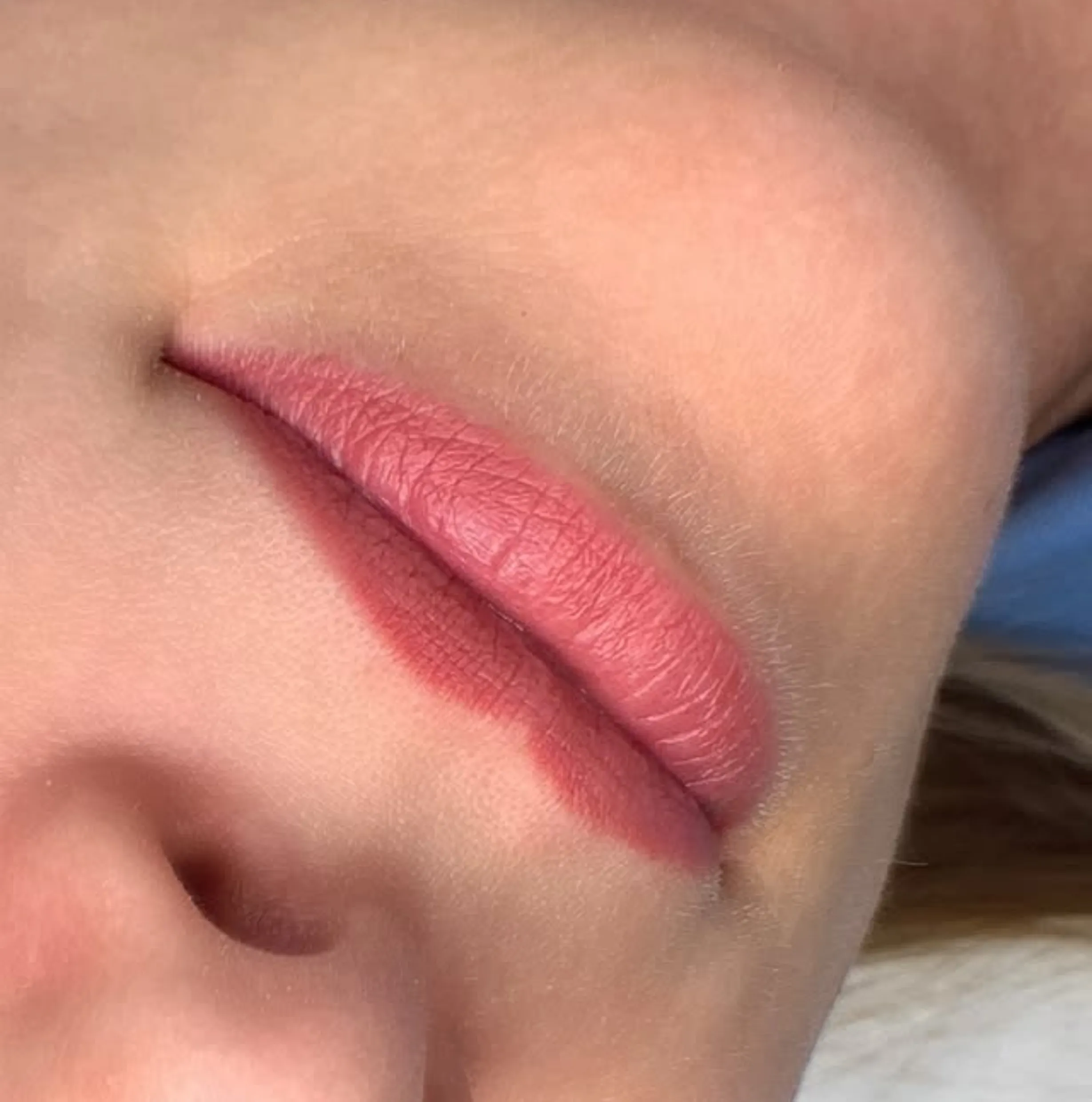
If your lipstick tattoo has disappeared, it’s probably just healing. The ghosting stage, the flaking, the re-pigmentation — it’s all part of the cosmetic procedure timeline.
Be patient. Trust your artist. And book that follow-up. Whether it’s a shape adjustment, colour top up or full lip tattoo correction, we’ve got you.
FAQ
How long does it take for lip tattoo pigment to show up again?
2-4 weeks, full healing and colour return by 6-8 weeks.
Can lips reject pigment entirely?
Yes, though rare. It can happen from poor technique, an allergic reaction or medical factors like cold sores.
What if only parts of my lips kept the colour?
That’s normal. A touch-up session will fix patchiness or missing areas.
Will a second session fix faded or missing areas?
Almost always. We’ll reassess pigment type, PMU machine use and your aftercare routine.
Can I get a refund if my lip tattoo disappears completely?
Not straight away. Most semi-permanent makeup salons include touch ups. Talk to your tattoo artist first, or check with lip tattoo removal clinics if needed.