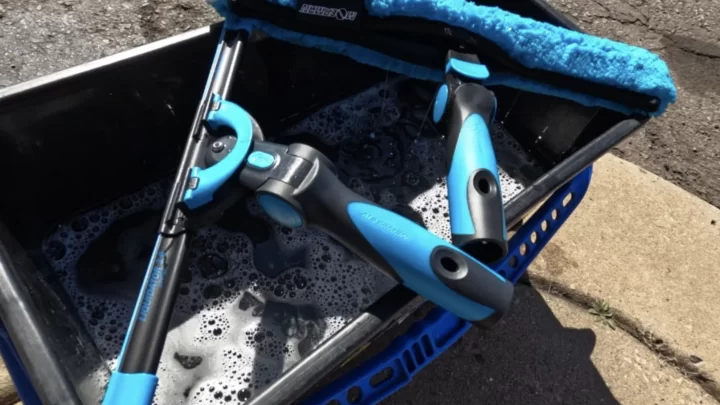

Hard water stains on windows — those crusty white spots and streaks — aren’t just an eyesore. They’re a stubborn blend of mineral deposits, calcium stains, and water spots that bond to your glass over time. If you’ve tried scrubbing with soapy water, a vinegar solution, or your garden hose only to have the stains laugh back at you, you’re not alone.So, what do professional window cleaners use on hard water stains?
As someone who’s done Window Cleaning Melbourne wide — from suburban homes to High Rise Window Cleaning in the CBD — I can tell you that these marks are one of the most common complaints we get from both homeowners and commercial property managers.
Contents
What causes hard water stains on windows?
These marks are caused by mineral buildup — mainly calcium deposits, lime scale, and magnesium, which dry onto the glass surface after water exposure. Think:
- Bore water from sprinklers
- Leaky gutters or roof drips
- Pool or spa splashes
- Condensation or tap water spray
Over time, the minerals settle into the glass pores, leaving behind cloudy stains on windows that regular window cleaning supplies or off-the-shelf cleaning solutions just won’t shift.
It’s the kind of job we see all the time in Melbourne window cleaning, especially in older suburbs with ageing irrigation systems and no awnings above the windows. These factors can lead to a steady buildup of white mineral stains, reducing window life and dulling the overall finish.
What professionals use to remove hard water stains
Let’s bust a myth: white vinegar and lemon juice alone won’t cut it once the stain sets in. For professional window cleaning services, here’s what we actually use on-site:
1. Specialty Hard Water Stain Removers
These are paste or cream-based products designed to dissolve mineral deposits without damaging glass.
Top industry favourites:
- Winsol Crystal Clear 550 – Tough on white mineral stains, gentle on glass
- Bio-Clean Hard Water Stain Remover – Good for glass shower doors, outdoor windows, or coated windows
- Titan A-1 – Strong enough for tougher stains on commercial or older panes
We apply these with a non-abrasive pad or microfiber cloth, working the surface in circular motions for 5–10 minutes. After that, it’s a thorough rinse using distilled water or soft water to avoid reintroducing water deposits.
We’ve used these products on everything from school blocks to penthouse balconies. If you’re hiring window cleaners Melbourne residents trust, they’ll be using gear that actually works, not just spraying Windex and hoping for the best.
2. Acid-Based Restorers for Severe Build-Up
When standard stain remover solutions aren’t enough, we use professional-grade acids like phosphoric, muriatic, or citric acid powder. These aren’t DIY-friendly — we wear protective gloves, use proper dilution ratios, and protect all nearby surfaces from damage.
These options offer extra cleaning power, but they come with risk. You don’t want to damage the frame or leave a residue that harms surrounding surfaces or plants.
3. Polishing with Cerium Oxide
This technique is used when mineral deposits have etched into the glass. It involves using cerium oxide paste and a polishing machine to buff the window surface.
It’s a method mostly reserved for commercial cleaner jobs or historical buildings where window replacement isn’t practical. It takes longer, costs more, but can restore Best-Performing Windows that would otherwise look permanently damaged.
Why vinegar and natural remedies fall short
For milder stains, there’s plenty of DIY advice recommending cleaning with a vinegar solution, lemon juice, or a bit of baking soda paste. While these can help with trace amounts of surface build-up, they simply don’t cut through years of calcium deposits or white mineral stains.
White vinegar, due to the acidity of vinegar, helps soften lime scale, but only if you’re using the right dwell time — usually 10–15 minutes — and follow up with a thorough rinse using distilled water.
Even with the right Application Technique, these natural remedies have limits. That’s why many clients eventually opt for a chemical-free window cleaning solution with professional backup.
Method for homeowners tackling light stains
If you’re committed to a DIY approach for milder stains, here’s a basic method we recommend before calling in the pros:
Tools
- Spray bottle with 50/50 white vinegar and distilled water
- Microfiber cloth or a clean, lint-free microfibre cloth
- Optional: baking soda or baking soda paste for extra grit
- Cotton Towel or clean paper towel
Process
- Soak the window in sections with your vinegar solution
- Let it sit for 5–10 minutes
- Gently scrub using a soft-bristle brush
- Rinse with distilled water
- Dry with a clean cotton towel
Repeat the cleaning process where needed. If it still doesn’t work, avoid aggressive cleaning methods like coarser steel wool pads or abrasive tools that could cause permanent damage.
Preventing stains in the first place
It’s no good cleaning windows only to have dirty windows reappear next week. Prevention is key, especially if you’re paying for professional window cleaning services.
Apply a Protective Coating
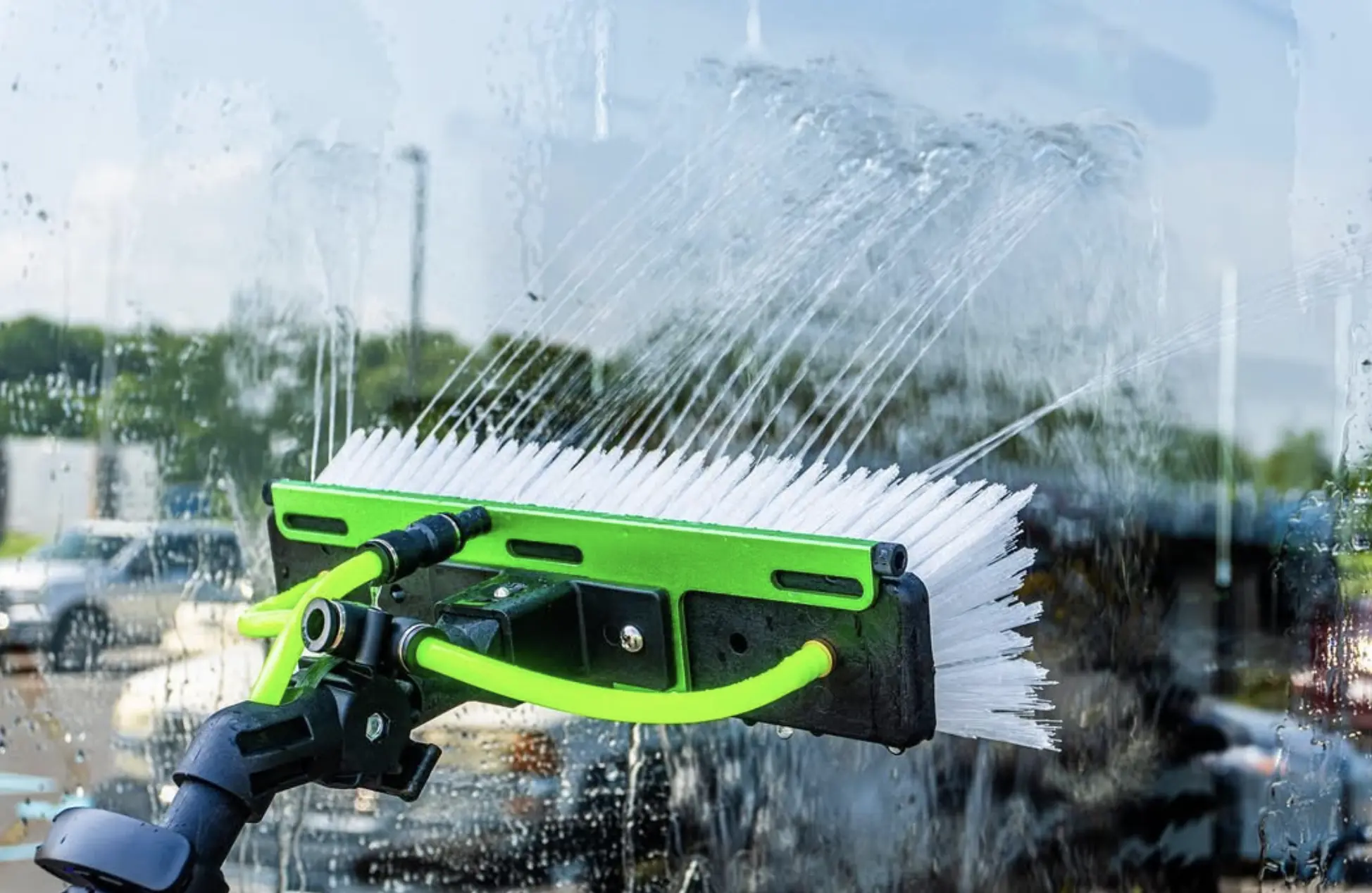
We use Glass sealants or hydrophobic coatings after stain removal to repel water and reduce mineral buildup. It’s a game changer for cleaner window washing operations and keeps stains at bay.
Adjust Water Sources
Sprinklers hitting windows? Redirect them. Awnings above windows can help too. Many stains form because of constant water exposure to the same area.
Book Regular Maintenance
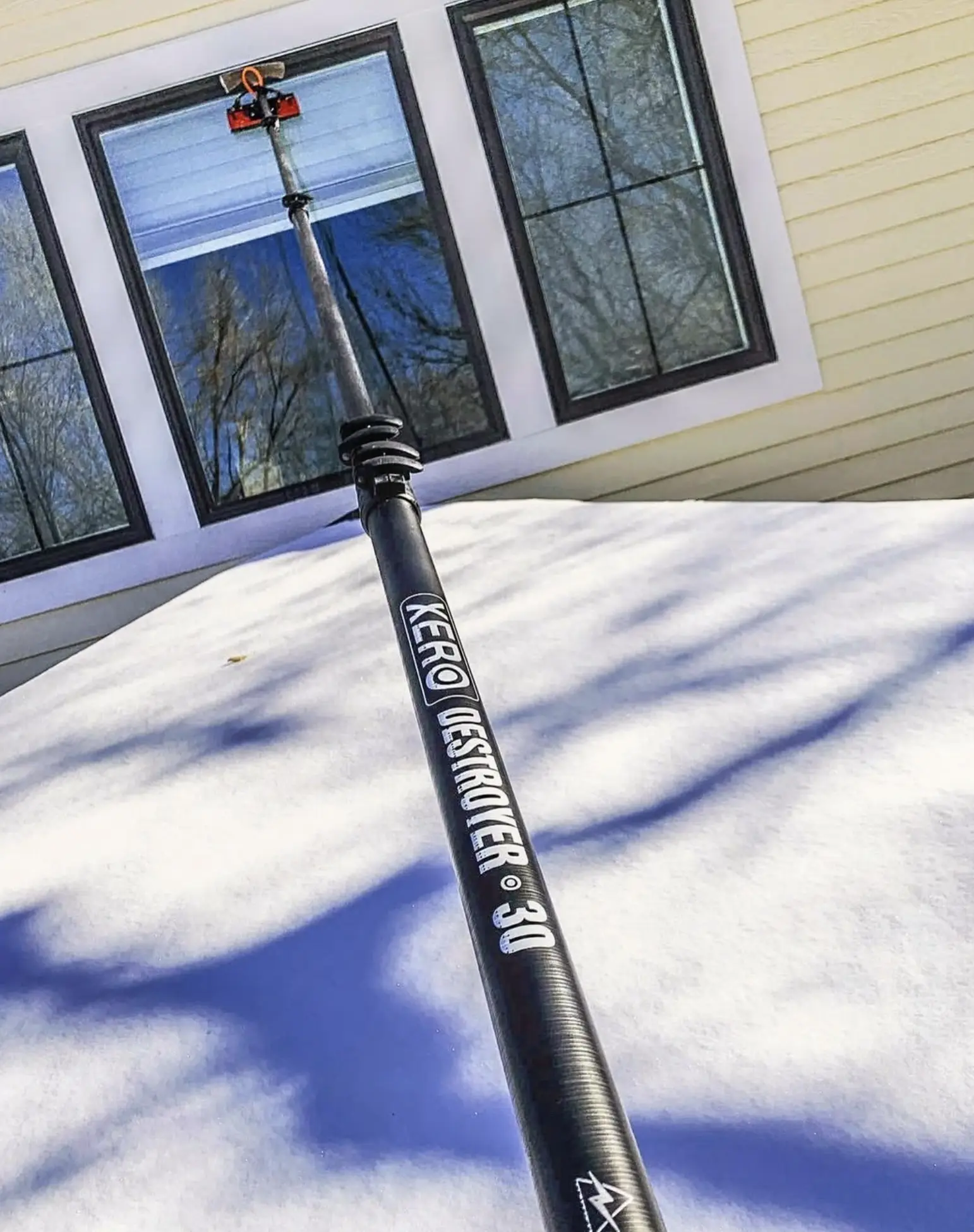
Regular cleaning — every 3–6 months, depending on exposure — is essential. If you live near the coast, use bore water, or manage a multi-storey building, call in the experts for High Rise Window Cleaning. Jobs like these are second nature for the Window Cleaning Melbourne Crew, who know how to tackle stains quickly and keep future buildup at bay.
Common mistakes that ruin your glass
Using abrasive window cleaning detergents: These scratch glass and leave it vulnerable to faster mineral buildup.
Leaving soapy water to dry: Always rinse before the foam dries, or you’ll be stuck with streak-free windows that aren’t actually streak-free.
Skipping proper drying: Letting water sit on your glass, especially tap water, leads to more spots. Use a window squeegee or cotton towel to finish properly.
Cleaning in full sun: This dries cleaner, too fast and leaves residues. Shade and cooler temps are your friend.
Final tip
Older windows — especially those with soft coatings or in aluminium frames — can react differently to harsh chemicals. That’s why window cleaners Melbourne trust always test a patch first and adjust methods based on glass type, location, and age.
Whether it’s high-rise window cleaning in the CBD or residential window cleaning out in Doncaster, the gear and approach change depending on the situation.
FAQ
Can I use baking soda for hard water stains?
Yes, for milder stains. Mix with juice with water, or a vinegar solution to form a baking soda paste. Not ideal for tougher stains, though.
How do I avoid streaks when cleaning?
Use a clean, lint-free microfibre cloth, avoid direct sun, and finish with a window squeegee. It’s the preferred choice for any Window Cleaning Melbourne professional.
What’s the best commercial product?
For tough stains, we prefer Winsol Crystal Clear 550 or Bio-Clean. For general maintenance, a professional window cleaning solution is best.
How often should I book professional cleans?
If you’re in a bore water area or coastal zone, every 3–4 months. For commercial properties, especially with accessibility of windows as an issue, schedule frequent window cleanings.
What about high-rise buildings?
You’ll need High Rise Window Cleaning experts trained in rope access or pole systems. It’s not a DIY job and best left to professional window cleaners Melbourne businesses trust.