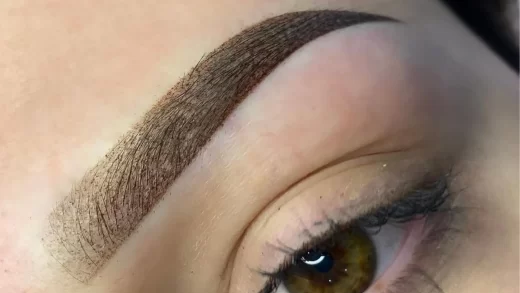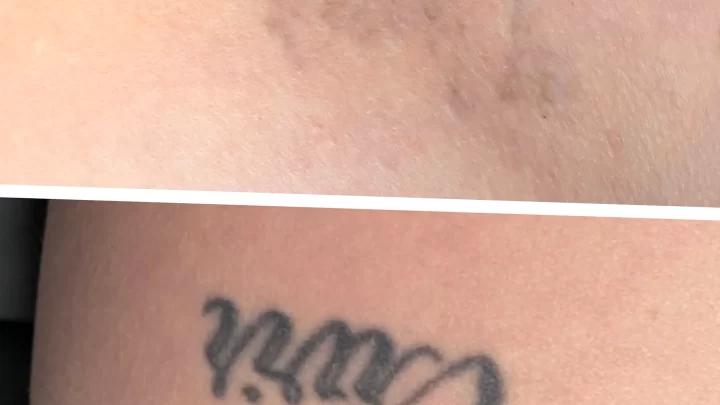

The big question: Which tattoo removal courses are legit and include hands-on training? is one that I’m hearing from my studio more often than I can remember. My name is Olha Po, and I’ve spent years now working with clients in Melbourne who are looking to get rid of their unwanted tattoos – and also artists who are trying to get into the field. I’ve seen, first hand, just how much damage poorly done training can do – not just to a person’s skin, but to their confidence as an artist and their reputation too.
Let’s face it, choosing a legit tattoo removal training course is one of the most important decisions an artist will make in their career – one that can make all the difference between confidence and uncertainty. Pick the right course, and you’ll feel totally on top of things when you’re dealing with real clients. Pick a dodgy one, and you’ll be walking in to that first appointment feeling like you’re trying to figure out a laser that you’ve never even used before – and that’s the kind of vibe we absolutely don’t want in any Melbourne treatment room.
Contents
- 1 Only Certified Courses With Model Training Are Legit
- 2 Why Theory-Only Courses Set You Up To Fail
- 3 How To Tell If A Training Is Actually Legit
- 4 A Quick Comparison: Legit Course vs. Red Flag Course
- 5 Why Hands-On Training Matters More
- 6 What A Legit Hands-On Course Usually Includes
- 7 Why I Don’t Recommend Online-Only Courses
- 8 What A Hands-On Training Day Actually Looks Like
- 9 Final Thoughts — And A Friendly Nudge
- 10 FAQ
Only Certified Courses With Model Training Are Legit
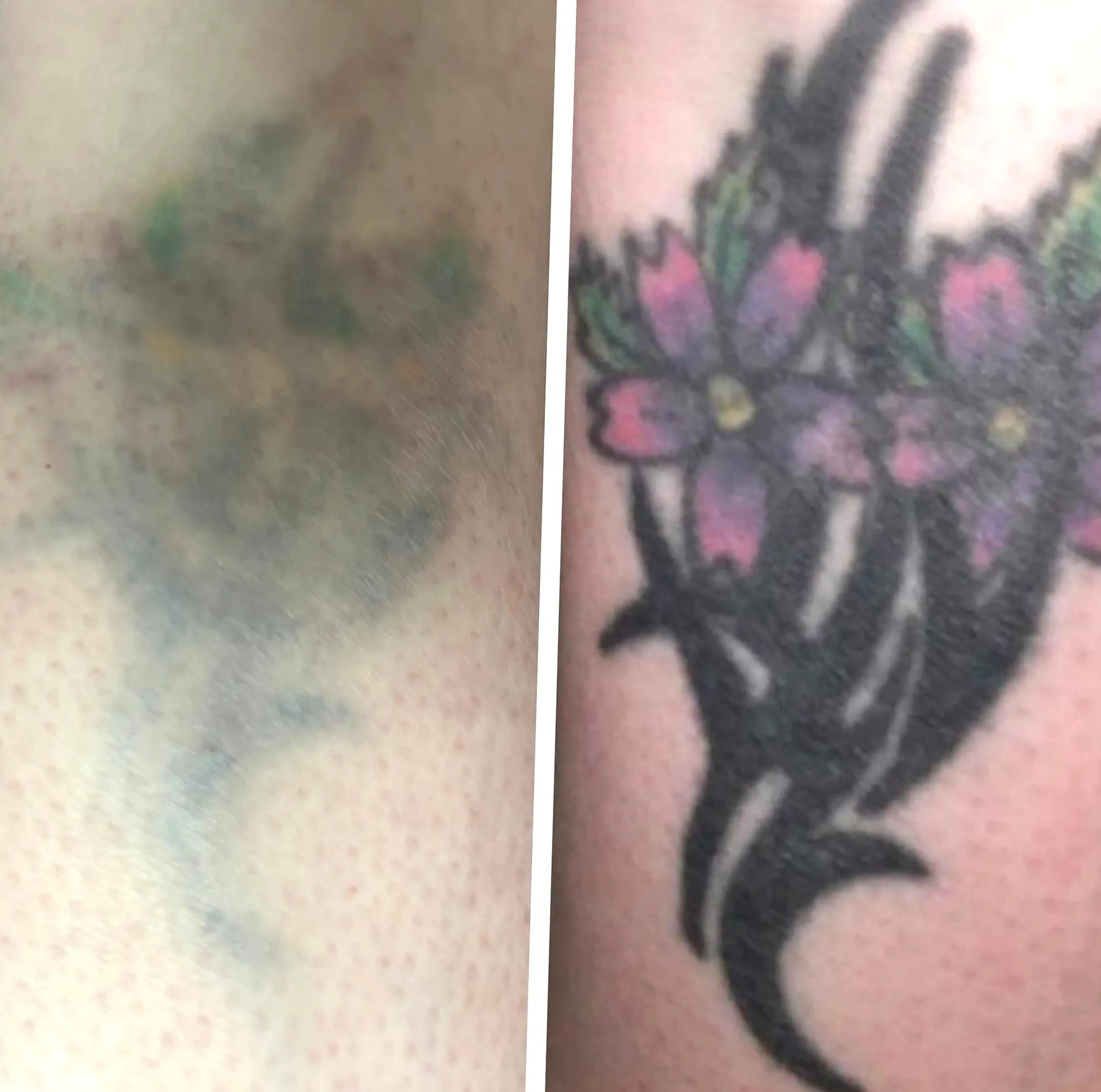
I’m gonna give it to you straight – here’s what a legit tattoo removal course is all about.
A course is legit when it’s got state compliance, certified laser safety training, and plenty of supervised hands on practice. Not just theory, but proper hands on experience with real models. Not all courses teach you how to deal with the kinds of complications that can come up – like blistering, frosting variations or pigment oxidation – which is why supervised practice from the start is so crucial.
In Australia, to qualify as a legit course, it typically needs to tick a few boxes:
- Laser Safety Officer (LSO) training that lives up to ARPANSA standards
- Hands-on model work where the students get a chance to practice on real people – all under the eye of a qualified educator or medical pro
- A recognised certificate from your state regulatory body
If a course is missing even one of these key things, no matter how flashy the website looks, then it’s just not legit.
Why Theory-Only Courses Set You Up To Fail
You know those courses that promise they can teach you everything you need to know in just a day? Or that you can “get certified online”? Melbourne artists who’ve taken those sorts of courses show up feeling totally lost and sometimes downright terrified of treating clients. You’d be amazed, but actually a lot of therapists who’ve completed a laser hair removal course will try out laser tattoo removal – just because the core laser safety principles are the same.
But here’s the thing: you can’t learn to remove cosmetic tattoos or eyebrow tattoos just by learning some theory. You need to see how pigment colours behave with different wavelengths, how frosting forms, or how skin structure responds in different skin types. If you’ve ever taken a cosmetic tattoo courses, you already know how important colour theory, needle depth, and all that is – these same fundamentals also apply to removal.
Theory is important – no question. But laser physics alone won’t be enough when a client comes in with:
- Scarring and raised ink
- Over-saturated eyebrow tattoos
- Pigment trapped too deep in the skin
- A history of nasty reactions
- Mature or fragile skin
You just can’t safely treat what you haven’t genuinely seen.
How To Tell If A Training Is Actually Legit
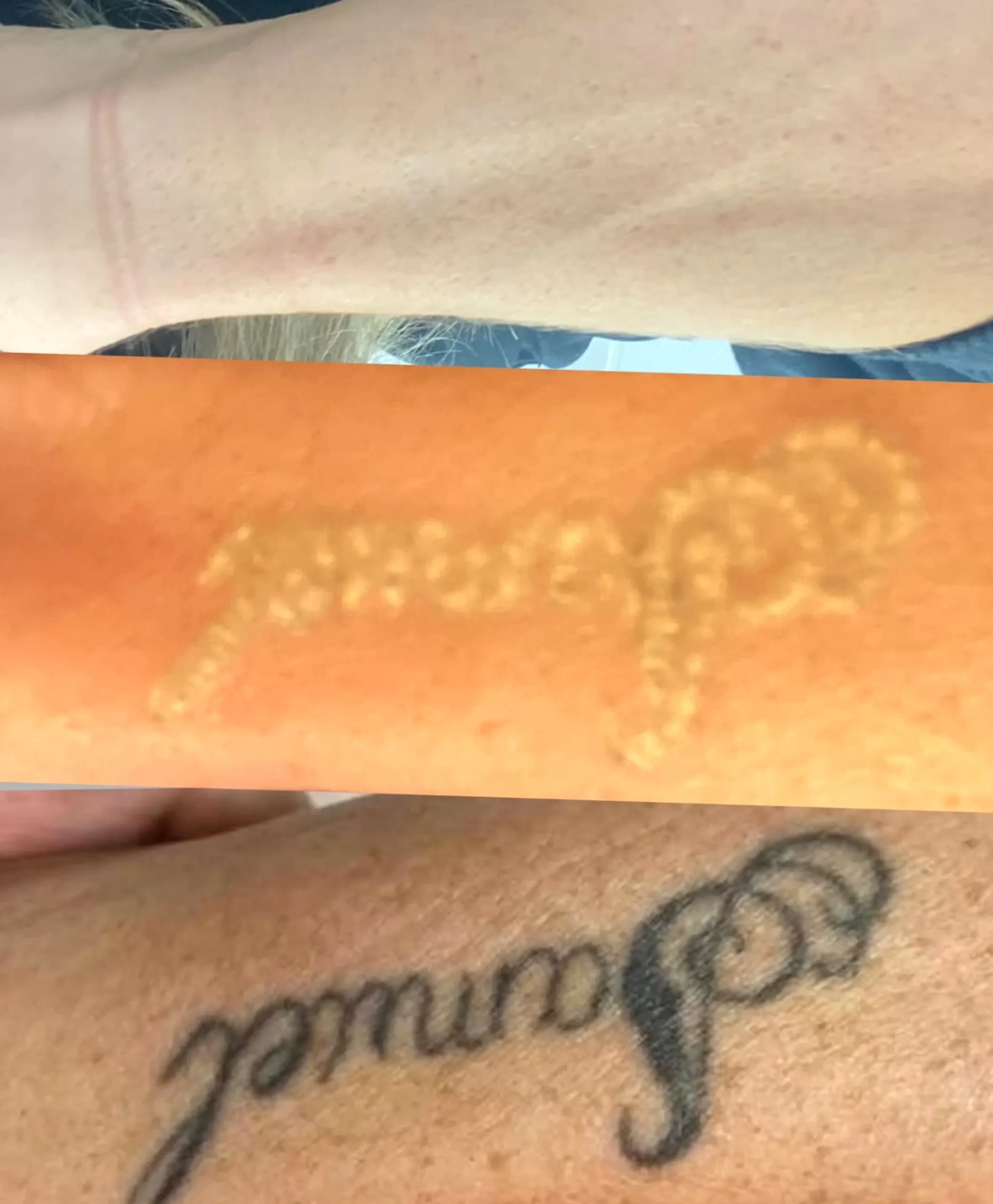
These are the signs Melbourne practitioners should be on the lookout for when hunting out a new training provider – and the very same checklist I run through when reviewing new training providers before sending students their way.
The Course Clearly Lists Its Regulatory Alignment
A good provider will make it clear upfront – no digging required:
- Laser safety qualification
- Trainer credentials
- Compliance with state requirements
- Insurance compatibility
- A clear outline of treatment planning expectations
If you have to hunt for this information, it’s a warning sign.
They Guarantee Hands-On Training — On Real Humans
No simulated skin or demos here – you need to be hands-on with the laser and treating models yourself.
Legitimate programs include:
- 2–4 supervised model cases
- Assessment of technique and fluence selection
- Real client consultation scenarios
- Time to practise cosmetic tattoo pigment removal and traditional body tattoo fading
Trainer Qualifications Are Public And Verifiable
You should be able to check out who’s teaching you and what their background is. Melbourne’s got a thriving aesthetic scene, so you’d expect to see educators with hands-on experience from places like tattoo removal clinics, cosmetic tattooing, plastic surgery, or even broader medical aesthetics industry roles.
They Teach Safety Protocols, Not Just Laser Operation
Tattoo removal is a science-heavy service – you should be learning about:
- Fitzpatrick skin typing
- Skin cycles and healing timelines
- Contraindications and adverse reactions
- Wavelength matching to pigment colours
- Laser interaction with cosmetic tattoo pigments
And if you’ve already done a cosmetic tattoo course, you’ll probably pick up removal techniques faster because you already know your stuff about pigments, undertones, and skin response.
A Quick Comparison: Legit Course vs. Red Flag Course
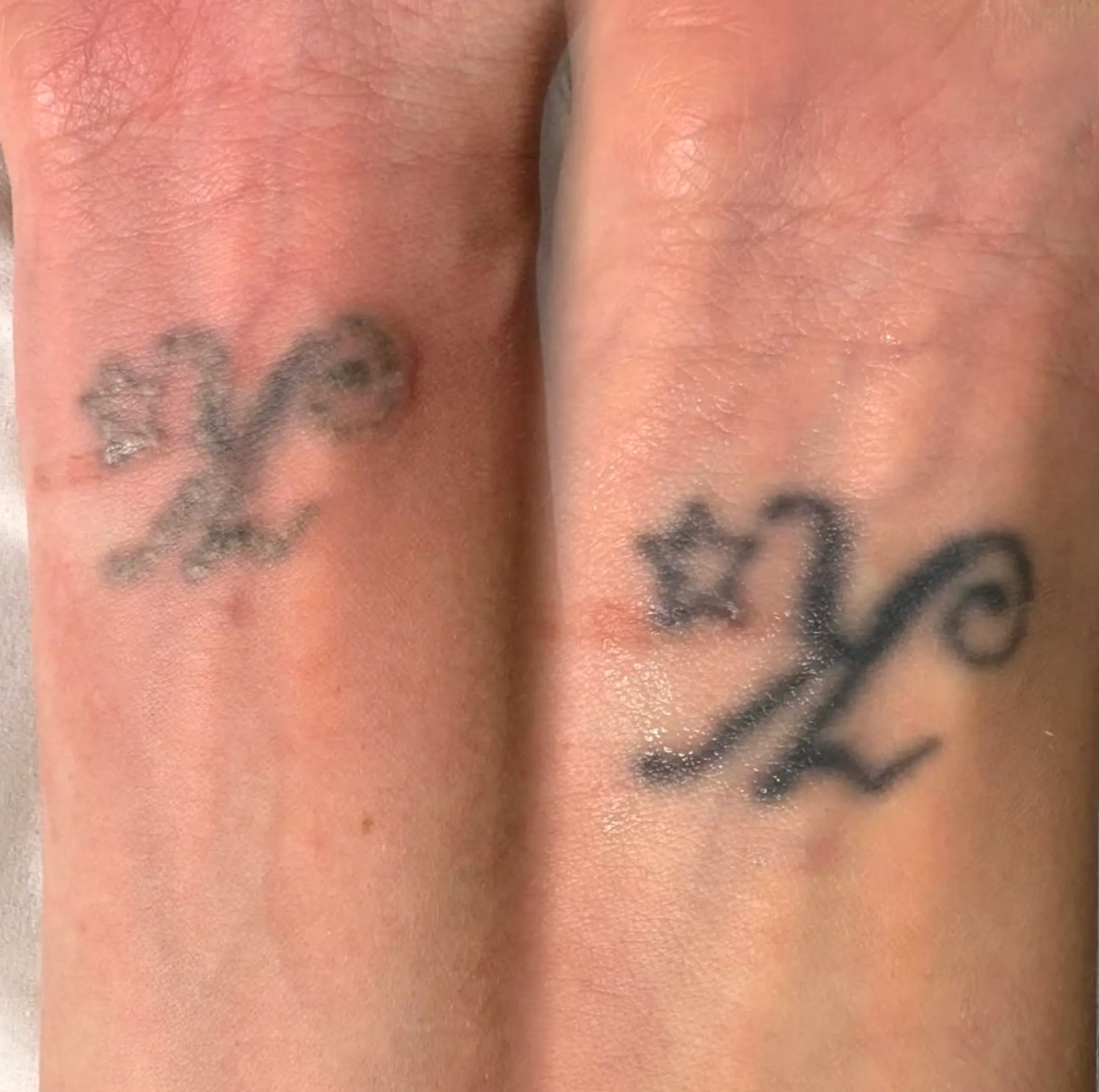
Here’s a simple table you can use when comparing providers around Australia.
| Course Feature | Legit Training | Low-Quality Training |
|---|---|---|
| Hands-on practice | Yes — multiple live models | None or optional add-ons |
| Laser safety qualification | Included and recognised | Vague or missing |
| Trainer background | Published & verifiable | Hidden |
| Removal techniques taught | Modern & updated | Outdated |
| Treatment planning | Clear & realistic | Minimal |
| After-course support | Ongoing | None |
| Duration | 2–4 days minimum | One rushed day |
| Model supervision | Direct trainer involvement | Observation only |
Why Hands-On Training Matters More
Melbourne clients are pretty savvy when it comes to tattoo removal. They’ve done their research, and they expect a high level of expertise when it comes to getting rid of unwanted ink. So when someone comes to us looking to fade eyebrow tattoos or remove cosmetic tattooing, we need to be able to talk them through pigment migration, healing timelines, and what a realistic treatment plan looks like for their skin.
Unfortunately, some of the people doing this work have clearly had a sub-par education,: which is leading to some pretty basic mistakes:
- Over-treat fragile areas
- Misread pigment colours
- Misunderstand how cosmetic tattoo pigments shift under laser
- Fail to recognise early signs of adverse reactions
But the truth is, mistakes like these are largely avoidable if your training includes working on real models, and getting real feedback.
What A Legit Hands-On Course Usually Includes
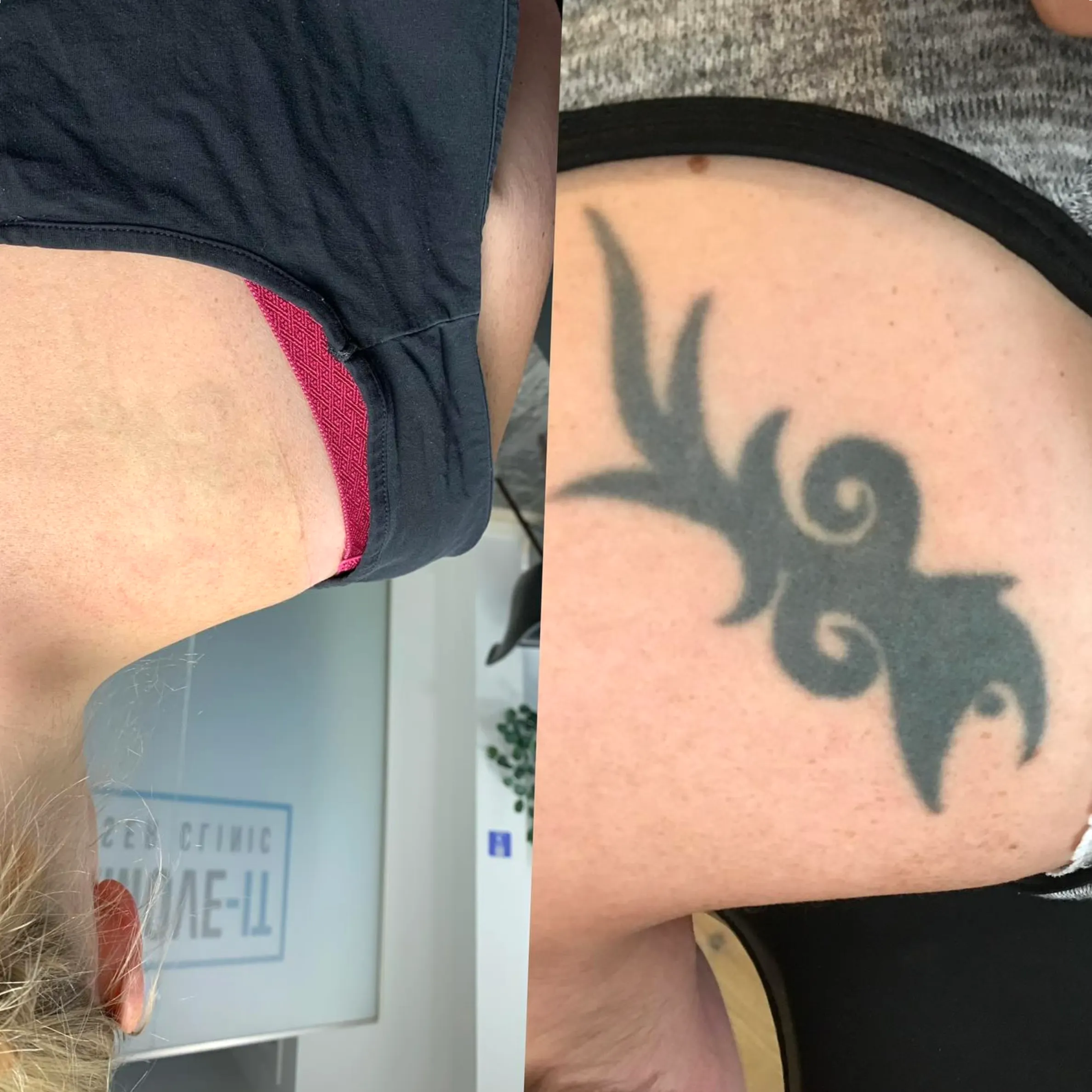
I’ve seen it time and time again – artists who’ve gone through a reputable training program, with real models and real feedback, are always going to be head and shoulders above the rest. Here’s what you can expect when you sign up with a proper centre:
- Laser Physics & Laser Safety
We teach this stuff in a way that actually makes sense, even for people who are new to the field. - Skin Structure & Skin Biology
Getting this right is crucial – avoid burns, hyperpigmentation and unwanted texture changes by learning the essentials first. - Removal Techniques & Laser Techniques
From body art to cosmetic tattoo pigment removal – including the all-important eyebrow design considerations. - Client Consultation & Treatment Plans
Learn how to screen safely, manage expectations and minimise the risk of complications. - Live Model Training
Supervised treatments on real people, with real tattoo removal devices – you just can’t get this kind of experience online. - Business Expertise & Marketing Tips
You can have all the technical skills in the world, but if you can’t get clients through the door, it’s all for nothing.
Why I Don’t Recommend Online-Only Courses
We’ve seen the damage that inadequate training can cause. We’ve worked with artists who tried to learn online-only approaches, and ended up with:
- Blistering skin
- Uneven fading
- Pigment darkening
- And all sorts of other nasty texture changes
It’s just not the same as being in a real training environment, watching how skin responds, and being able to adjust your settings on the fly. You can’t just pause a real client the way you can pause a video.
What A Hands-On Training Day Actually Looks Like
A proper training session typically includes:
- Practising Consultations – going over medical histories and figuring out potential risks.
- Getting Familiar With Laser Equipment – understanding fluence, wavelengths, and movement of the beam.
- Preparing The Models – getting them looking their best for photoshoots, making sure their skin is clean and ready to go.
- Working On A Full Model – under supervision – getting hands-on experience with the tattoo removal equipment.
- Talking It Through – going over any challenges and how to improve your technique.
- Understanding Aftercare – knowing how skin goes through phases and how that impacts fading.
If the course you’re looking at doesn’t offer all six of these, then it probably isn’t going to give you the full picture.
Final Thoughts — And A Friendly Nudge
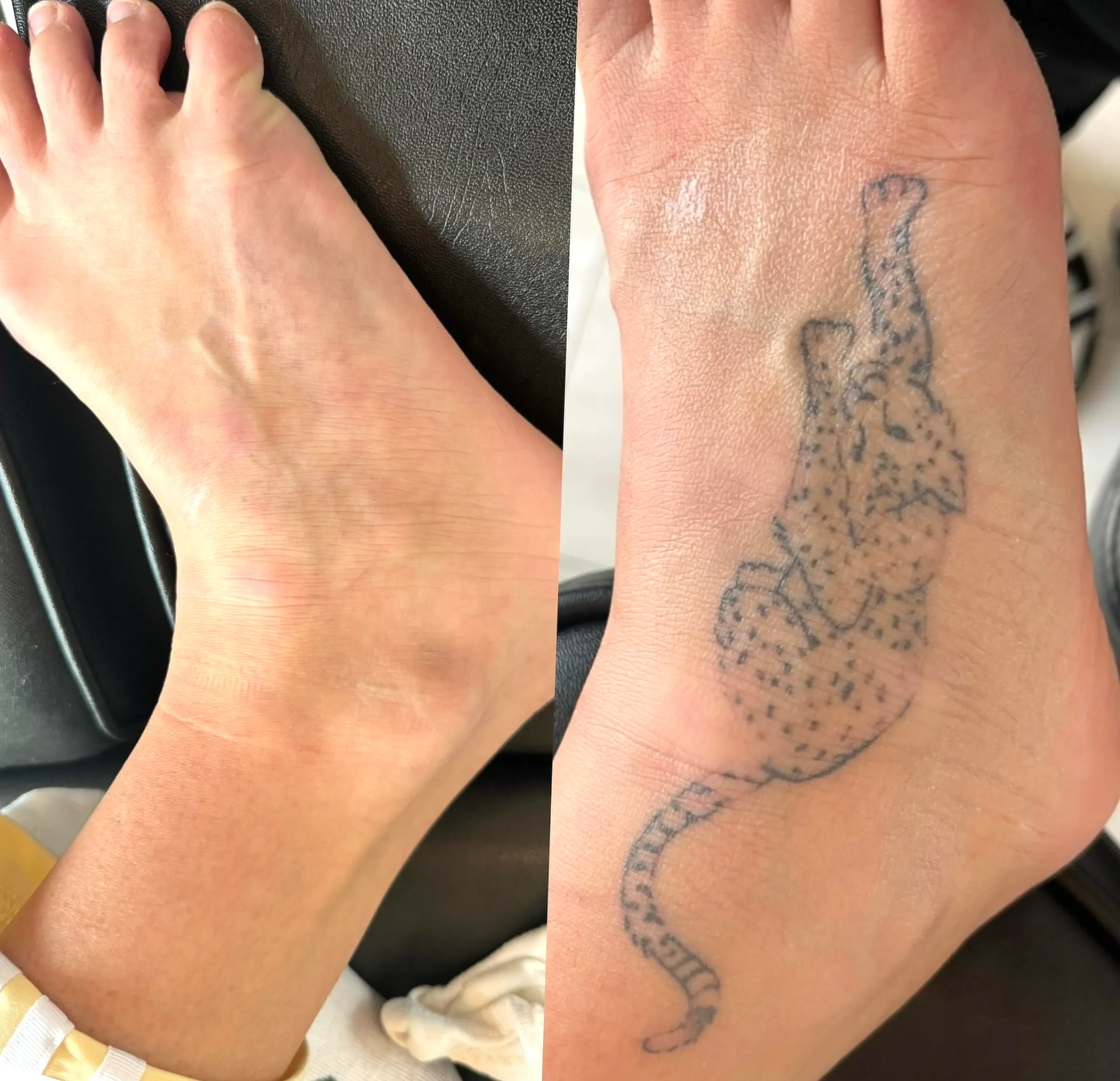
When you’re choosing a training course, you’re setting the stage for your whole career. If you want to feel confident when it comes to treating people’s skin, fading pigments from cosmetic tattoos, and managing potential complications safely, you need to get hands-on training that’s actually going to teach you everything.
Here at Cosmetic Tattoo Studio Melbourne Face Figurati, with tattoo removal courses, we’ve seen first hand how good quality training can totally transform an artist’s confidence and results.
FAQ
Can tattoo removal be learned fully online?
No, you can complete theory online, but hands-on training with live models is essential.
Is laser safety required before working withhands-on clients?
Yes. Laser safety certification is mandatory in many states and strongly advised everywhere.
Are cosmetic tattoo pigments harder to remove?
Often yes — they contain multiple undertones that react differently to specific wavelengths.
How many live models should a course provide?
At least two to four, depending on the provider.
Do cosmetic tattoo courses help with learning removal?
Absolutely — understanding pigment behaviour gives you a major advantage when learning removal techniques.